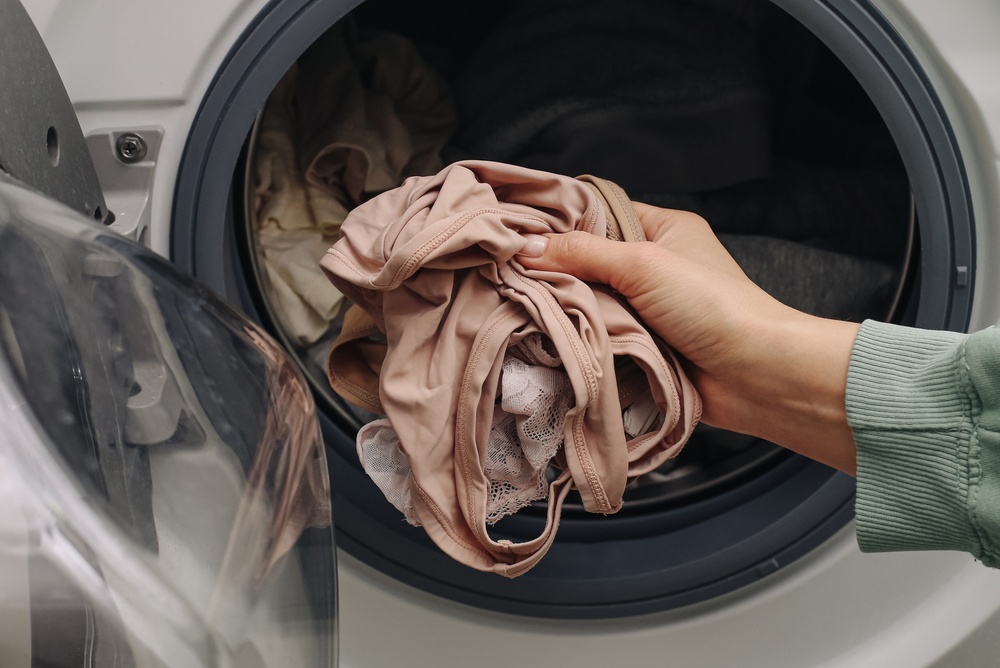
Washers are supposed to make some sound while working, but a sudden grinding noise during agitation means something’s not right. If your machine sounds fine during filling or spinning but only grinds in the middle, it often points to a mechanical fault that needs attention. We’ve handled this issue many times through appliance repair in Pasadena, and it always helps when people catch the sound early. Understanding what causes this specific noise can save you time, money, and a bigger mess down the road.
Agitator Dogs Wearing Down
Some top-load washers use small plastic components inside the agitator called agitator dogs. These parts grip the agitator so it can move clothes back and forth during the wash cycle. Over time, these dogs wear out and begin to slip. That slipping creates a grinding or clicking sound that only happens when the washer agitates.
Agitation puts stress directly on the dogs, not during filling or spinning. That’s why the sound is limited to that part of the cycle. If your washer makes loud clicking or grinding noises in short bursts as it tries to agitate, worn agitator dogs are a common reason. Replacing them isn’t expensive, but it does take effort to remove the top section of the agitator to get inside.
For help locating and repairing internal washer issues like this, it’s worth exploring washer repair in Pasadena if you don’t have the tools or time to handle it yourself.
Drive Coupling Damage
Some washers, especially those with a direct drive motor, use a rubber and plastic coupling to connect the motor to the transmission. This drive coupling absorbs shocks and prevents damage when the washer changes direction. During agitation, the washer shifts quickly back and forth, which puts extra pressure on the coupling.
If the drive coupling is cracked, broken, or worn down, it starts to slip under pressure. That slipping leads to a grinding or scraping noise when the washer tries to agitate. Often, it will still spin and drain correctly, which makes the issue tricky to spot without listening carefully.
We usually see this problem in older machines or when the washer has had an unbalanced load for too long. That repeated stress breaks down the coupling over time. While some people try to continue using the washer, ignoring the grinding will eventually lead to full coupling failure. Then the washer may stop agitating or spinning altogether.
Transmission or Gearcase Wear
Inside every washer, there’s a gearcase or transmission that controls how the tub and agitator move. It uses gears, shafts, and seals to manage motion during each cycle. During agitation, the transmission works hard to move the agitator back and forth quickly.
If those gears begin to wear down or break inside, the washer can still operate but will make a grinding sound. This sound is usually deeper and more constant than the sharp click of agitator dogs. In some cases, a small leak near the bottom of the washer may also appear as oil leaks from the gearcase.
Replacing a transmission is a big job. It requires almost full disassembly of the washer, and parts can be expensive depending on the age of your machine. That said, catching it early gives you more time to decide whether repair or replacement is the better route. If the grinding is getting worse each time, stop using the washer and consult a technician.
Foreign Object Caught in the Drum
Sometimes the issue is much simpler than a worn part. Small items like coins, nails, or hairpins can fall between the inner and outer tubs during the wash. During agitation, they get dragged around and make a loud grinding noise. But since these items usually settle during spin or fill cycles, you might not hear the noise outside of agitation.
We recommend checking pockets carefully before every wash, but accidents happen. If you suspect something is inside the drum, listen for scraping at regular intervals. A rhythmic metal-on-metal sound usually points to a stuck object. In some cases, you can fish it out by removing the agitator and reaching down with a magnetic tool.
If that doesn’t work or you’re unsure how to access the inside safely, it’s better to have someone experienced handle it. We’ve handled many service calls in situations just like this where the washer still works but sounds awful. If your machine is showing signs like this, get in touch with Quick & Pro Appliance Repair Pasadena to avoid deeper drum damage.
Motor Shift Actuator Problems
Modern washers often have a motor actuator that shifts between spinning and agitating. It moves a cam that controls which mode the machine is in. If the actuator fails or gets stuck mid-shift, it can cause grinding as the motor struggles to move the drum or agitator correctly.
This issue is common in models with electronic control boards, and the grinding can sound like plastic slipping or gears catching. During agitation, if the actuator isn’t in the right position, the machine can make that grinding sound repeatedly. It may also throw error codes or flash warning lights.
If your washer makes strange noises only during certain cycles or starts to skip steps, this part might be the cause. A faulty actuator can often be replaced without pulling the whole washer apart. You’ll need a multimeter and basic tools to test it, or you can contact appliance repair technicians in Pasadena who are familiar with these newer models.
Belt and Pulley Tension Issues
Belt-driven washers use a system of pulleys and rubber belts to spin the drum and move the agitator. These belts stretch and wear down over time. When belts slip or the pulley starts to wobble, the friction during agitation creates a grinding or squealing noise.
The washer may still operate, but the noise usually appears during the strongest mechanical movements, especially during the wash cycle. If the belt begins to fray, it can slap against other components and cause louder grinding. Open the rear access panel and check if the belt looks shiny, loose, or cracked.
Replacing a belt is simple if you know what to look for. But if the pulley system is damaged or misaligned, that’s a more advanced repair. We’ve handled this for many homeowners who notice louder noise every time the washer hits its agitation cycle.
Suspension Rod or Spring Failures
Washers rely on internal springs or rods to keep the drum stable during heavy movement. If a suspension part breaks or comes loose, the drum can shift slightly out of place. During agitation, this misalignment causes grinding as the drum scrapes against parts it shouldn’t.
This is especially noticeable in top-load washers. The drum may rock slightly even when empty, and the grinding noise usually comes from one side. Check if the washer moves more than usual or makes a thump before the grinding begins.
A broken suspension spring can cause long-term wear if left unchecked. Replacing it early restores balance and prevents further drum damage. Most parts are affordable, but getting to them requires care to avoid damaging other parts inside.
Drive Motor Bearing Wear
Bearings support the drive motor and let it spin smoothly under load. If the bearings wear out, the motor starts to make rough grinding sounds, especially during hard-start cycles like agitation. In the early stages, it may just sound like a distant growl or vibration.
Later on, the grinding gets louder and more metallic. Unlike belt or coupling issues, motor bearing noise often continues during spin too. But it may start during agitation first since that’s when the motor has to reverse directions and overcome initial weight resistance.
Replacing motor bearings takes time and skill. In some models, it’s easier to swap the whole motor. If your washer has started to make more noise with each use, especially a low grinding growl, it’s time to check the motor mounts and bearings.
FAQ
What should I do if my washer makes noise but still works?
Stop using it until you identify the source. Running it longer may cause more damage and lead to a bigger repair bill.
Can I fix a grinding noise in my washer myself?
Sometimes. Simple parts like belts or agitator dogs can be replaced at home. But deeper issues like the transmission or bearings need more experience and tools.
Why does my washer only grind during agitation and not spinning?
Agitation stresses different parts like the drive coupling, agitator dogs, or motor actuator. If these are damaged, they’ll only act up during that motion.
How do I know if something is stuck inside the drum?
Listen for scraping sounds at regular intervals. If it’s metal or sharp sounding and goes away when the tub spins, it could be a foreign object.
Is it safe to keep using a washer that makes grinding sounds?
Not really. Even if it still runs, grinding usually means something is worn or loose. Continuing use can lead to full part failure.