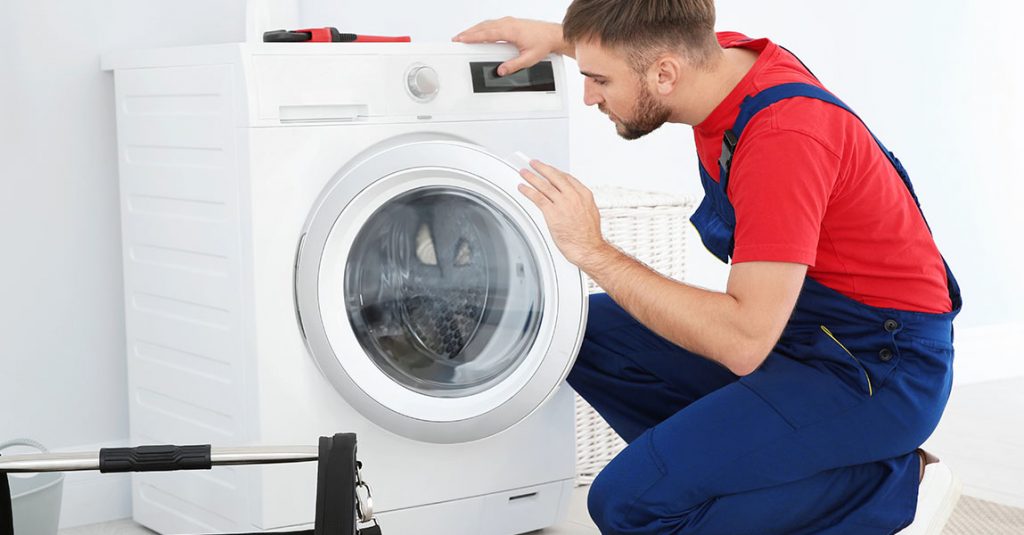
Understanding why a washing machine vibrates during some loads and not others can be confusing. The issue often shows up at random and disappears just as quickly. We’ve seen this in many homes, and it usually has a few common causes that point to either how the load is set or how the machine handles imbalance. This post walks through what to check, what to ignore, and when it’s time to look closer.
Load Balance and Distribution
Unbalanced loads are the top cause of vibration that only happens with certain laundry batches. Wet clothes shift weight around easily, so even a simple pile of towels can throw things off. When one side of the drum carries more weight than the other, the washer starts shaking or knocking during spin.
Certain fabrics create more of this issue. For example, thick items like comforters or rugs tend to absorb water unevenly. We’ve found that splitting heavy items across loads and mixing fabrics helps keep things stable. If possible, stop the cycle early and redistribute the laundry evenly inside the drum.
Top-loading and front-loading models both face this issue, though the symptoms might feel different. In some cases, items like jeans or large sweaters get trapped on one side. During high spin speed, that imbalance leads to vibrations that only affect that specific load.
To solve this, always check how the load sits before starting the cycle. Add smaller items around large ones for better balance. Avoid stuffing the drum full, especially when cleaning heavier fabrics.
Machine Leveling and Floor Surface
Poor leveling is another reason washers vibrate only sometimes. Floors that slope slightly or flex under pressure may not cause problems with every load, but they often amplify movement during unbalanced cycles. Over time, this gets worse if the washer shifts slightly each time it runs.
Our team always checks for uneven flooring or loose foot pads during service. You can try pressing on each corner of the washer to see if it rocks. If it moves, twist the adjustable feet to even it out. Use a small bubble level to confirm it sits straight from front to back and side to side.
Sometimes, the floor material itself becomes part of the issue. Laminate or soft subfloors flex during spin and exaggerate small vibrations. Placing a rubber mat beneath the washer can add grip and reduce motion. For homes with laundry rooms on upper levels, we’ve seen vibration pads make a big difference.
When correcting vibration from the floor, even a small change can help. However, don’t overlook that both floor softness and machine leveling need to work together to prevent movement that only affects specific wash cycles.
Shock Absorbers and Suspension System
Inside every washer, there’s a system of springs and shock absorbers. These parts are designed to hold the drum steady during spin. However, they don’t always fail all at once. When one shock begins to wear out, it often causes uneven vibration depending on the load size or spin speed.
This kind of failure is harder to spot from outside. We typically notice it when washers shake only during heavier cycles, but perform fine with smaller loads. When inspecting a machine, we check the suspension by pressing down on the drum. A weak bounce or squeaky return means a shock absorber may be failing.
If your washer started vibrating only recently and you haven’t changed how you load it, this could be the cause. It’s especially common in machines more than five years old. While many people think the washer just needs to be moved or re-leveled, it often comes back to internal supports.
You can learn more about how we handle internal diagnostics and part replacements in our washer repair services in Pasadena section.
Drum Bearings and Mounting Bolts
Some machines shake when a drum bearing starts to wear out. However, unlike other causes, this usually gets worse over time. The vibration might begin with just a few loads and then expand to more frequent shaking. A worn bearing allows the drum to move too much, especially under strain from large items.
We check for bearing wear by rotating the drum slowly by hand and listening for scraping or resistance. If it wobbles during spin or makes a loud hum, there’s a good chance the rear bearing is starting to go. On most washers, this part isn’t easy to access, and it’s often missed during basic inspections.
Similarly, loose mounting bolts can lead to unpredictable shaking. Some washers use bolt systems to anchor the motor or drum housing. If those loosen, the machine moves more during heavy cycles. You might hear thuds or feel the entire washer shift slightly when it spins.
These types of problems are harder to identify without opening the back panel. That’s why many homeowners reach out to experts when simple fixes don’t stop the vibration. If you’re seeing changes in spin performance or hearing new noises, we suggest a closer look from someone trained in appliance repair in Pasadena.
Laundry Load Type and Spin Settings
Not every vibration comes from a mechanical problem. In many cases, it’s the type of wash setting that interacts poorly with specific loads. Some cycles use faster spin speeds, especially for cotton or heavy-duty settings. Those speeds increase the chance of shaking, especially with unbalanced or water-heavy loads.
If your washer runs smoothly on normal or gentle cycles but vibrates on high-speed ones, this may be the reason. We recommend checking whether the load requires such a fast spin. For example, small blankets or multiple towels might do just fine with a medium spin setting.
On newer washers, the user interface lets you adjust spin speed separately. Reducing it by one level often fixes vibration issues with no impact on drying time. Most importantly, knowing when to adjust spin power can prevent long-term wear on internal parts.
Keeping a small chart of which items pair best with each setting helps. We’ve seen many families benefit from using lower spin speeds more often, which not only reduces vibration but also extends the life of the washer overall.
Signs It’s Time to Get It Checked
There’s a difference between a load that vibrates once in a while and a problem that needs expert care. If your washer begins shifting out of place, stops mid-cycle, or makes louder thuds each week, something deeper may be going wrong. Ignoring it can lead to damage to nearby walls or hoses.
We often advise booking a visit when:
- The washer vibrates even on light loads
- It moves across the floor during spin
- Loud knocking or banging sounds start suddenly
- Water starts leaking after cycles that shake
- Vibration continues even after re-leveling or redistributing the load
If you need help getting to the bottom of this, you can contact Quick & Pro Appliance Repair Pasadena for a fast inspection. Our team checks all parts involved in spin performance, from suspension to flooring conditions.
Common Questions About Washer Vibration
Why does my washer shake only when washing towels or bedding?
Heavy items absorb water unevenly, making one side heavier. This imbalance causes the drum to spin unevenly.
Is it bad if my washer shakes sometimes but not always?
Occasional vibration isn’t always serious, but if it increases or shifts the washer’s position, it should be checked.
Can placing a mat under the washer help with vibration?
Yes, anti-vibration mats reduce motion by stabilizing the washer on soft or uneven floors.
What if leveling the washer doesn’t stop the shaking?
In that case, internal parts like shocks or springs may be wearing out and causing unsteady spinning.
Should I avoid using high spin settings for certain loads?
Yes, lowering the spin speed for bulky or uneven loads often prevents vibration and protects your washer.