A dryer burnt smell can show up with no warning, and it often starts with simple airflow problems you can catch fast. We see this a lot at Quick & Pro Appliance Repair Pasadena, especially when laundry loads are heavy or the dryer runs back to back. Therefore, a quick routine check can save your clothes, lower fire risk, and keep drying times normal. This guide walks through a practical 10 minute process you can do before the smell gets worse.
Why That Burnt Smell Starts In The First Place
A dryer produces heat, and that heat must move out of the cabinet through steady airflow. Consequently, when lint blocks the path, heat stays trapped and fabrics can smell like they are scorching. Sometimes the smell is from lint on the heater housing, but other times it is from a slipping belt, a tired roller, or wiring that is overheating. In other words, the scent is a warning that something is running hotter than it should.
Another common reason is overdrying from restricted exhaust, which keeps the dryer cycling longer than normal. Moreover, scented sheets and softener residue can build up on the lint screen and reduce airflow even if the screen looks clean. If you notice longer dry times plus a dryer burnt smell, you should treat it as an airflow issue first and investigate parts second.
Dryer Burnt Smell Check: The 10 Minute Routine
Minute 1: Stop The Cycle And Clear The Area
Turn the dryer off and open the door to release heat. After that, pull the unit slightly forward if you can do so safely and make sure nothing is touching the back vent hose. Above all, keep aerosols, cleaning chemicals, and piles of towels away from the dryer while you inspect.
Minutes 2–3: Clean The Lint Screen The Right Way
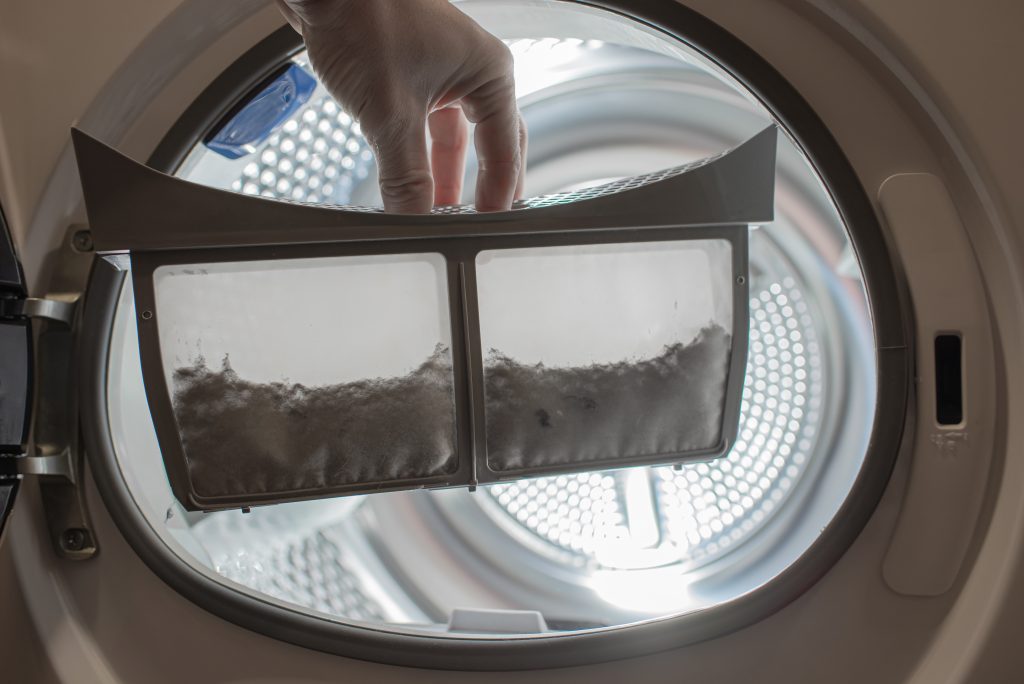
Remove the lint screen and peel lint off with your fingers. However, do not stop there. Rinse the screen under warm water and gently scrub it with a soft brush and a drop of dish soap to remove waxy residue. That is to say, you are cleaning the tiny holes, not just the surface. Dry the screen fully and reinstall it.
Minutes 4–6: Check Airflow At The Exhaust
Run the dryer on air fluff or no heat for a moment and feel the airflow at the exterior vent outlet. If airflow is weak, it points to a blockage in the duct or vent hood. Therefore, turn the dryer off again and inspect the vent hood outside for lint, stuck flaps, or bird nesting material. If you cannot access the exterior vent easily, you can still treat weak airflow as a sign the vent line needs professional cleaning.
Minutes 7–8: Quick Look For Heat Damage Or Friction
Open the dryer door and sniff near the drum opening. If the smell is sharp or electrical, stop and avoid running the dryer until it is checked. Similarly, if you hear squealing, thumping, or scraping, the issue may be belt or roller friction rather than lint. Look for dark marks on the drum edge, melted lint clumps, or scorch marks near the lint chute opening.
Minutes 9–10: Run A Short Test And Watch The Results
Run a short timed cycle with a few damp towels and monitor the scent. Meanwhile, pay attention to dry time, heat level, and any unusual noises. If the dryer burnt smell returns quickly, airflow is still restricted or a component is overheating. At that point, scheduling a diagnosis is smarter than repeated test runs.
If you want this checked by a technician who works locally, you can book through Quick & Pro Appliance Repair Pasadena. For dryer specific troubleshooting and service, use dryer repair Pasadena when you are ready to set an appointment.
What To Do If The Smell Comes Back The Next Day
If the smell returns after you cleaned the screen, the vent line is the next likely cause. Consequently, a long duct run, crushed flex hose, or lint packed at a bend can trap heat and create that scorched odour. Another possibility is a thermostat or thermal fuse issue that causes overheating cycles. In addition, failing drum rollers or an idler pulley can create a hot rubber smell that people describe as “burning.”
If you also notice other appliance problems at the same time, it can help to handle everything in one visit. For example, if your kitchen is acting up too, we can coordinate support for stove repair Pasadena or dishwasher repair Pasadena while you take care of laundry safety. Likewise, if your food storage is struggling, fridge repair Pasadena can be scheduled alongside a dryer inspection.
Habits That Keep Burnt Smells Away Long Term
Clean the lint screen every load, but also wash it monthly to remove residue. Therefore, you maintain real airflow instead of just removing visible lint. Keep loads moderate, because packed drums restrict tumbling and force longer heat exposure. After that, check the exterior vent flap once a season so it opens fully and does not stick.
Also, avoid running the dryer when you smell anything electrical or when you hear grinding. In other words, do not “finish the load and deal with it later.” A dryer burnt smell is often the earliest signal you will get before the problem turns into a breakdown or a safety hazard. If you want a technician to confirm airflow, heat cycling, and internal wear parts, Quick & Pro Appliance Repair Pasadena can handle that in one straightforward visit.
FAQs
What is the most common cause of a dryer burnt smell?
Most often it is poor airflow caused by lint buildup in the vent line or residue on the lint screen. Consequently, heat stays inside the dryer longer and creates a scorched odour during normal cycles.
Is it safe to keep using the dryer if it smells burnt?
If the smell is mild and goes away after cleaning the lint screen, a short test can be okay. However, if the smell returns quickly, smells electrical, or comes with unusual noises, stop using it and get it inspected.
How can I tell if my dryer vent is blocked?
Long dry times and weak airflow at the exterior vent are the biggest signs. In addition, the vent flap may not open fully, or you may see lint collecting around the hood outside.
Can dryer sheets cause airflow problems?
Yes, waxy residue from dryer sheets and softener can coat the lint screen. That is to say, the screen can look clean but still block airflow, so washing it monthly helps.
When should I call a professional instead of checking it myself?
Call when the smell is electrical, the dryer overheats, the airflow is weak even after basic cleaning, or you hear squealing or grinding. Above all, repeated burnt smells usually mean an internal part or vent line needs proper service.