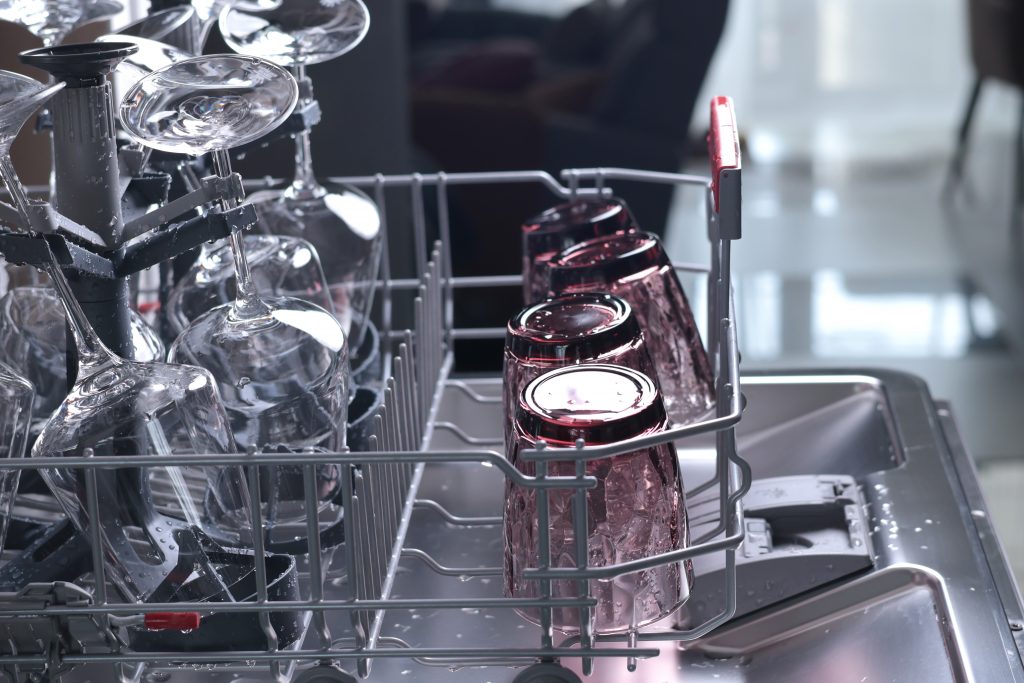
Your dishwasher just finished a full cycle. However, you open the door and a sour, musty smell hits you immediately. The dishes look clean, but something inside clearly isn’t. This problem frustrates a lot of homeowners — and it points to specific, fixable issues.
Quick & Pro Appliance Repair Pasadena handles this complaint regularly. In most cases, the source of the odor is not a broken part. Instead, it’s buildup in places most people never think to clean.
The Filter Traps Everything You Don’t See
Most modern dishwashers use a manual-clean filter at the bottom of the tub. This filter catches food particles, grease, and debris during every wash. However, it needs regular cleaning — and most people skip it entirely.
When food debris sits in a warm, moist filter, it breaks down and produces a strong, unpleasant odor. Furthermore, this smell gets pushed through the machine with hot air and steam during every cycle. Consequently, your dishes may come out clean while the dishwasher itself keeps smelling worse.
Remove the filter according to your machine’s manual. Rinse it under hot water and scrub gently with a soft brush and dish soap. Specifically, clean it once a month if you run the dishwasher daily.
Standing Water in the Drain Causes Serious Odor
A dishwasher that doesn’t drain completely leaves standing water at the bottom. That water stagnates. Moreover, it becomes a breeding ground for bacteria and mold — both of which produce strong, musty smells.
Check whether a small pool of water remains after every cycle. If so, the drain hose, pump, or check valve likely needs attention. Quick & Pro Appliance Repair Pasadena technicians who handle dishwasher repair in Pasadena identify drain problems as one of the top odor causes in service calls.
A kinked drain hose causes incomplete draining even when the pump works fine. Additionally, a clogged garbage disposal connection prevents proper water exit. Therefore, check that connection before assuming the dishwasher itself needs a repair.
Grease and Soap Scum Build Up on the Interior Walls
Every wash cycle deposits a thin film of grease and soap residue on the interior walls, spray arms, and door gasket. Over time, that residue accumulates. Furthermore, the rubber door gasket — especially along the bottom edge — collects trapped food and moisture.
Wipe down the gasket with a damp cloth and a small amount of white vinegar weekly. Also, run an empty hot cycle with a cup of white vinegar placed in the bottom rack. This dissolves grease buildup throughout the interior. Similarly, a dishwasher-safe cleaning tablet once a month handles residue in areas you can’t reach manually.
Grease from heavy cooking also travels through the kitchen air and settles on appliance surfaces. If your kitchen produces a lot of grease from the stove, getting cooktop repair and cleaning addressed regularly reduces the burden on your dishwasher too.
Mold Inside the Door Panel
Some dishwasher designs trap moisture inside the inner door panel. Specifically, this happens where the inner liner meets the outer door edge. Mold grows in that gap and produces a musty smell that cycles of hot water don’t eliminate.
A technician can inspect the door panel and clean or treat mold growth inside the machine properly. Furthermore, running the dishwasher on a hot setting with the heated dry option on helps evaporate residual moisture after every cycle. Leave the door slightly open after a cycle finishes to let the interior air out.
Water Quality Affects Odor More Than You Think
Pasadena’s water runs hard. Hard water leaves mineral deposits on the spray arms, which then block the jets over time. Blocked jets mean certain areas of the tub don’t get properly flushed during a cycle. Consequently, food residue accumulates in those low-rinse zones.
This same hard water issue affects other home appliances. For example, mineral buildup inside a washing machine drum creates similar odor and residue problems. Scheduling washer repair and dishwasher maintenance together addresses both problems efficiently.
Descaling the spray arms with white vinegar or a citric acid solution clears blocked jets. Additionally, use a rinse aid in every cycle — it helps water sheet off surfaces cleanly and prevents mineral deposits from building up.
When to Call a Professional
If you clean the filter, wipe down the gasket, and descale the interior but the smell persists, a technician needs to investigate further. Specifically, a cracked drain hose, a failing pump seal, or a broken heating element can all cause ongoing odor problems that cleaning alone won’t fix.
Quick & Pro Appliance Repair Pasadena technicians diagnose the root cause quickly. Importantly, a service visit gives you a clear answer — and an honest repair cost — so you’re not guessing or cleaning the same parts over and over.
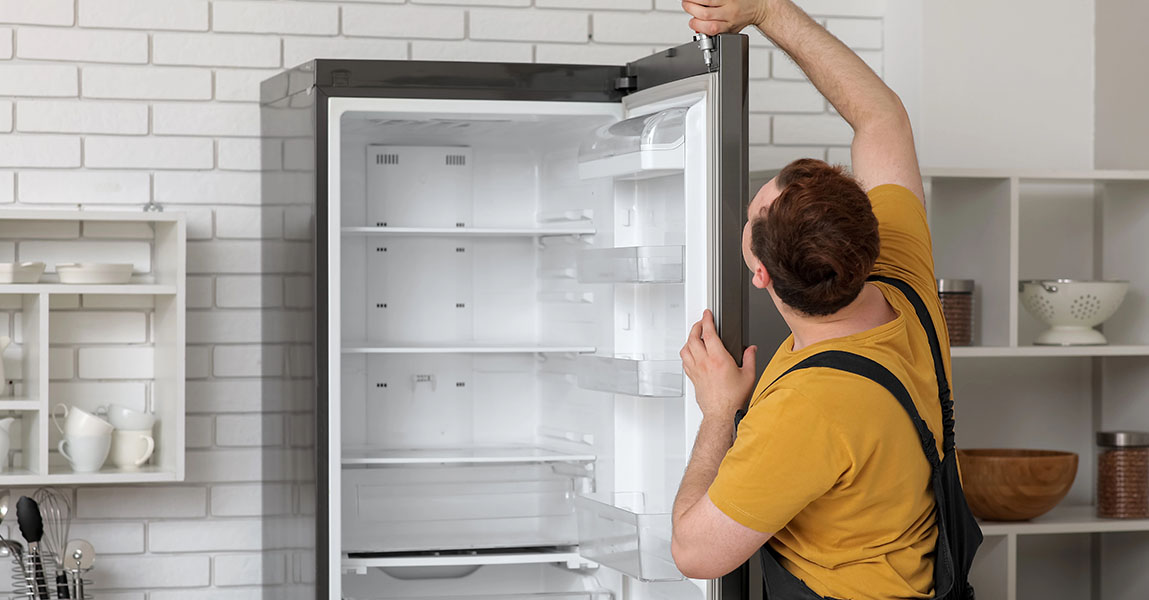
Also pay attention to other kitchen appliance smells. A fridge repair visit sometimes reveals that a failing door seal lets odors escape into the kitchen, compounding the problem. Addressing all appliance odor sources at once makes a real difference.
Keep Your Kitchen Smelling Clean
A smelly dishwasher is a maintenance issue, not a permanent problem. Moreover, most causes are completely preventable with a simple monthly cleaning routine. However, when the odor comes back despite regular cleaning, that’s the signal to call a pro.
Quick & Pro Appliance Repair Pasadena serves Pasadena and the surrounding area with same-day availability. In addition, technicians arrive fully equipped to diagnose and fix drain, seal, and component issues on all major dishwasher brands. And if your laundry room also needs attention, the team handles dryer repair alongside kitchen appliance work — so you get your whole home running clean in one visit.
Frequently Asked Questions
How often should I clean my dishwasher filter? Clean the filter at least once a month if you run the dishwasher daily. However, if you wash heavily soiled dishes regularly, clean it every two weeks. A clean filter prevents most odor complaints.
Why does my dishwasher smell like mildew even on hot wash settings? Hot water alone doesn’t remove mold or grease buildup. In fact, steam can push those odors further through the machine. You need to physically clean the filter, gasket, and interior walls to eliminate the source.
Can I use bleach to clean the inside of my dishwasher? Avoid bleach on stainless steel interiors — it causes corrosion. Instead, use white vinegar, citric acid tablets, or dishwasher-specific cleaning products. Furthermore, never mix bleach with any other cleaning agent inside the machine.
Is a bad smell a sign my dishwasher needs a repair? Not always. Most odors come from buildup, not broken parts. Consequently, cleaning resolves the problem in many cases. However, if the smell persists after a thorough cleaning, a drain or pump issue likely needs a professional fix.
Does Quick & Pro Appliance Repair Pasadena service all dishwasher brands? Yes. The team services Bosch, KitchenAid, Maytag, Whirlpool, LG, Samsung, Frigidaire, and many other brands. Therefore, no matter what machine you own, Quick & Pro Appliance Repair Pasadena can diagnose and repair it.