A washer that shakes and bangs during spin cycle alarms most homeowners immediately. Specifically, this dramatic symptom often makes people worry the machine might be seriously damaged. Quick & Pro Appliance Repair Pasadena explains the likely causes.
Why Spin Cycle Vibration Happens at All
Washers spin at high speed to extract water from laundry efficiently. Specifically, this spinning motion naturally creates some vibration, even in perfectly functioning machines. Therefore, a small amount of movement during spin represents completely normal operation.
However, violent shaking, banging against walls, or the machine moving significantly across the floor indicates something beyond this normal vibration level. Distinguishing between acceptable and excessive movement matters for proper diagnosis.
How Unbalanced Loads Cause This Symptom
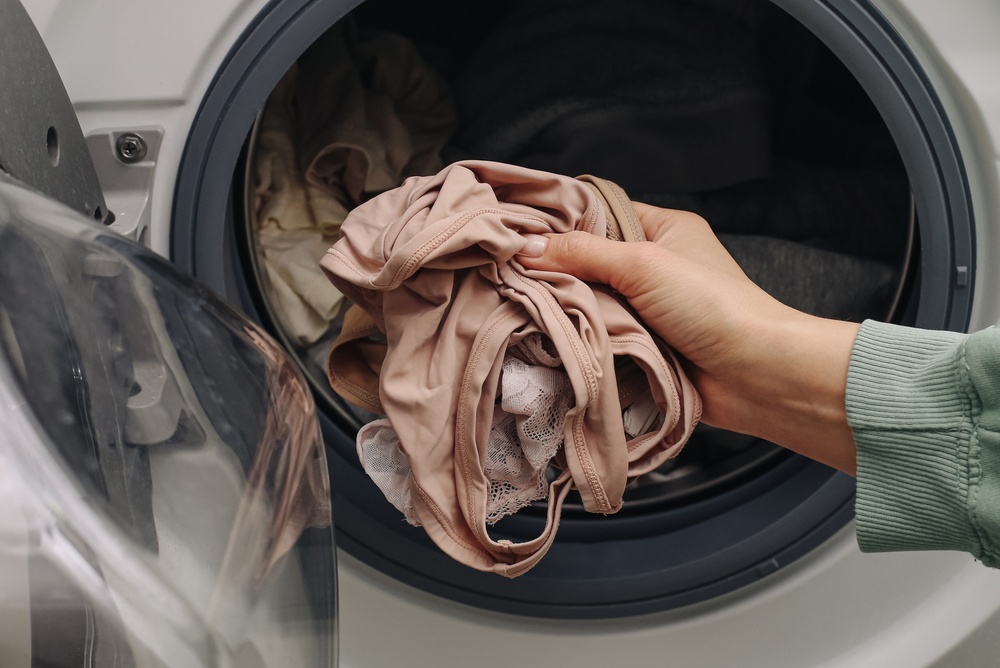
Uneven weight distribution within the drum creates significant imbalance during high-speed spinning. Specifically, heavy items clustered on one side, like a single soaked towel or bedding tangled together, throw off the rotational balance significantly.
Therefore, this common cause often resolves simply by redistributing the load manually and restarting the cycle. This easy first step should happen before assuming a mechanical problem exists.
Why Leveling Feet Affect Shaking Significantly
Washers include adjustable leveling feet designed to keep the machine stable on uneven flooring. Specifically, feet that have shifted or weren’t properly adjusted during installation allow excessive movement during high-speed spinning.
Consequently, checking and adjusting these feet, ensuring the machine sits level and firmly on the floor, often resolves shaking that initially seems like a serious mechanical issue.
How Worn Suspension Components Create Persistent Shaking
Washers rely on internal suspension systems, including springs or shock absorbers, to manage normal spin cycle movement. Specifically, these components wear out gradually over years of regular use, particularly in machines handling frequent heavy loads.
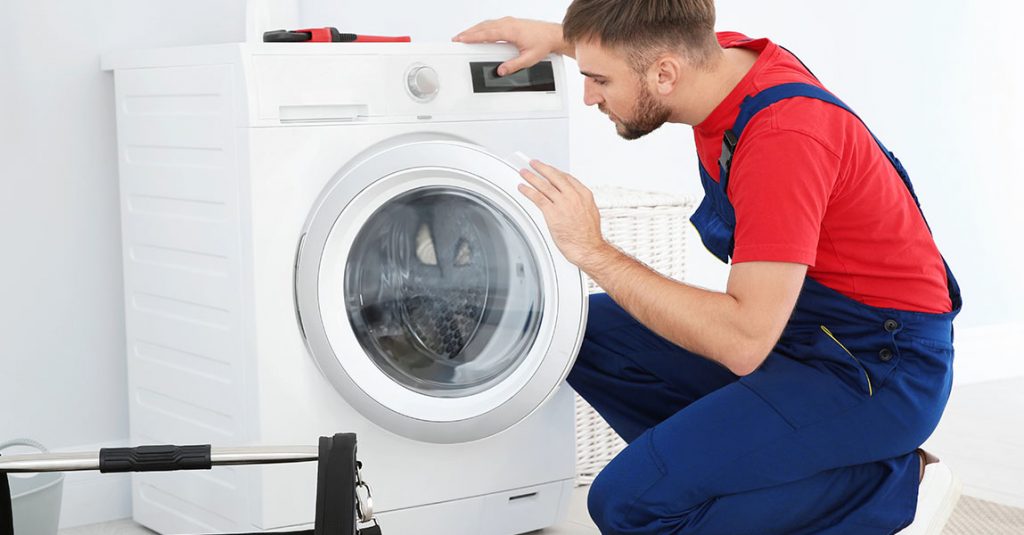
Therefore, worn suspension components fail to absorb normal vibration properly, allowing excessive shaking even with perfectly balanced loads. This wear-related cause typically requires professional washer repair to address properly.
Why Drum Bearing Problems Create Different Symptoms
Drum bearings allow smooth rotation during both wash and spin cycles. Specifically, worn or failing bearings often create grinding or rumbling sounds alongside excessive shaking, distinguishing this cause from simple load imbalance or leveling issues.
Consequently, if shaking accompanies unusual noise beyond normal motor sound, bearing wear becomes a more likely explanation requiring professional assessment rather than simple load adjustment.
Comparing This to Other Appliance Vibration Issues
Excessive vibration isn’t unique to washers. Specifically, dryer repair sometimes addresses similar situations, where worn drum support rollers or belts create unusual shaking or noise during operation.
Therefore, recognizing this pattern helps homeowners understand that rotating or moving components across many appliances can develop similar wear-related vibration issues over time.
Why Component Wear Patterns Repeat Across Appliances
Mechanical wear creating unexpected symptoms appears throughout household appliances. For instance, oven repair and fridge repair situations sometimes reveal comparable component degradation, even though the specific symptoms differ significantly from washer vibration.
Consequently, this broader pattern reinforces that appliances generally develop predictable wear-related issues as components age, regardless of the specific appliance category involved.
When to Stop Using Your Washer Immediately
Severe shaking that causes the machine to move significantly or bang loudly against nearby walls warrants stopping the cycle immediately. Specifically, continuing to run a severely unbalanced or mechanically compromised washer risks further damage.
Therefore, similar to how stove repair situations involving safety concerns deserve prompt attention, significant washer vibration deserves the same cautious, immediate response rather than continued use.
Final Thoughts
Washer vibration ranges from completely normal to a genuine sign of mechanical wear. Quick & Pro Appliance Repair Pasadena helps Pasadena homeowners distinguish between simple load adjustments and component issues requiring professional repair.
FAQs
Q: Is some shaking during spin cycle normal?
Yes, a small amount of vibration during high-speed spinning is normal. However, violent shaking, banging against walls, or the machine moving significantly across the floor indicates an issue beyond normal operation.
Q: Can redistributing my laundry load fix the shaking?
Often, yes, especially for sudden, occasional shaking. Heavy items clustered on one side create imbalance. Manually redistributing the load and restarting the cycle resolves this common cause quickly.
Q: How do leveling feet affect washer stability?
Leveling feet keep the machine stable on uneven flooring. If they’ve shifted or weren’t adjusted properly during installation, the washer can shake excessively during spin, even with balanced loads.
Q: What does grinding or rumbling alongside shaking usually mean?
This combination often points to worn drum bearings rather than simple load imbalance. Bearing wear typically requires professional assessment and repair, since it won’t resolve through load redistribution alone.
Q: When should I stop using my washer due to shaking?
Stop immediately if shaking causes the machine to move significantly or bang loudly against walls. Continuing to run a severely unbalanced or mechanically compromised washer risks further damage to internal components.