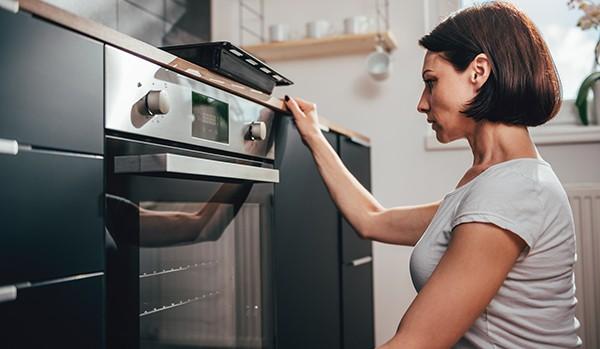
If your appliance suddenly loses heat in the middle of a meal, you already know how frustrating it is. Oven temperature drops mid-cook are one of the most common complaints our team handles at Quick & Pro Appliance Repair Pasadena, and they rarely fix themselves. A sudden drop in cooking temperature signals a real mechanical problem. Identifying the cause early saves your food, your appliance, and your money.
Why Oven Temperature Drops Mid-Cook
When your oven loses temperature while you are still cooking, the problem usually falls into one of several categories. The heating element may have failed partially. The temperature sensor may be sending bad readings to the control board. The igniter in a gas oven may be too weak to hold the valve open consistently. Each cause produces the same result — an unreliable, unpredictable oven that ruins meals.
Understanding what is happening inside the appliance helps you decide whether to call a technician right away or monitor the issue. In most cases, acting quickly prevents a minor repair from turning into a full replacement.
Faulty Heating Elements
Electric ovens use bake and broil elements to generate heat. When one begins to fail, it may still produce some heat — just not enough to maintain the set temperature. You might notice the oven cycling off too early or struggling to climb back up after the door opens.
A failing element often shows visible signs. Look for blistering, dark spots, or breaks along the surface. If the element looks intact but performance is poor, a technician can test it with a multimeter to confirm whether it needs replacement. Replacing an oven heating element is a straightforward repair when handled by a trained professional.
A Damaged or Drifting Temperature Sensor
The oven temperature sensor is a thin probe mounted inside the oven cavity. It measures the internal temperature and sends that data to the control board, which then activates or deactivates the heating elements. When the sensor drifts or fails, the board receives inaccurate data and makes poor decisions.
A drifting sensor causes the oven to think it has reached the correct temperature when it has not. The element shuts off too early. The oven cools. Your food cooks unevenly or not at all. Replacing the sensor is usually inexpensive, but a technician must confirm the diagnosis before swapping parts.
Igniter Problems in Gas Ovens
Gas ovens rely on an igniter to open the gas valve and light the burner. Over time, igniters weaken. A weak igniter draws enough current to glow but not enough to fully open the valve. The burner lights at a reduced capacity, which makes it nearly impossible to maintain consistent oven temperatures.
This is one of the trickier problems to identify without testing equipment. Many homeowners assume the issue is with the gas supply, but the igniter is almost always the culprit. A technician from Quick & Pro Appliance Repair Pasadena can test the igniter’s draw and replace it quickly if needed.
Control Board and Thermostat Failures
The control board acts as the brain of your oven. It receives signals from the temperature sensor and commands the heating elements or gas valve accordingly. When the board malfunctions, it may cut power to the elements at the wrong time, causing oven temperature drops mid-cook that seem random.
Thermostat failures produce similar symptoms in older oven models that use a mechanical thermostat rather than an electronic board. A technician must determine which component is responsible before ordering parts. Misdiagnosing this repair leads to wasted money and continued problems.
How Other Appliances Contribute to Kitchen Chaos
An unreliable oven rarely stands alone. When your cooktop is inconsistent or your stove struggles to hold a simmer, the combined stress on your cooking routine becomes significant. A failing refrigerator adds to the problem by compromising ingredient freshness before food even reaches the oven.
Addressing appliance issues as they arise prevents them from stacking into a larger problem. Kitchens depend on every appliance working correctly. When multiple units need attention, scheduling repairs together often reduces service costs.
What Happens If You Ignore the Problem
Ignoring oven temperature drops mid-cook does not make them go away. Minor faults become major ones. A weak igniter that is left in place may eventually fail to light the burner at all. A cracked heating element can cause electrical shorts. A drifting sensor can overtax the control board over time, turning a low-cost sensor repair into a much more expensive board replacement.
Early diagnosis is always less expensive than delayed repair. Most oven problems have clear solutions when caught at the first sign of trouble.
When to Call a Professional
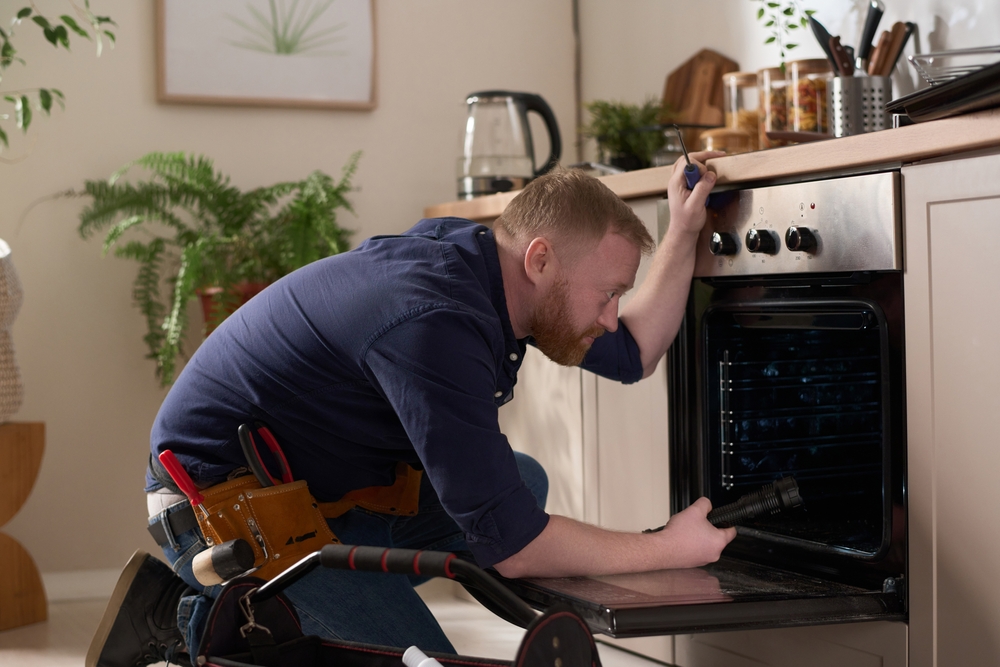
You should call a professional appliance repair technician when the oven fails to hold temperature more than once, when food is consistently undercooked despite correct settings, or when you notice any unusual smells, sparks, or sounds during operation. These are not problems for DIY fixes.
Quick & Pro Appliance Repair Pasadena technicians diagnose oven problems accurately on the first visit. The team carries common replacement parts and works efficiently to get your kitchen running again. You do not have to guess at the cause or attempt repairs that could void your warranty.
Preventing Future Temperature Problems
Regular maintenance reduces the risk of sudden failure. Keep the oven interior clean, since heavy grease buildup can affect sensor accuracy and element performance. Avoid slamming the oven door, as repeated impact loosens connections over time. Have the appliance inspected professionally if you notice any early signs of inconsistency.
A well-maintained oven lasts significantly longer than a neglected one. Investing in occasional service calls pays back in years of reliable cooking performance.
Closing Thoughts
Oven temperature drops mid-cook are a clear signal that something inside your appliance needs attention. Whether the cause is a weak igniter, a failing element, a drifting sensor, or a faulty control board, the solution starts with an accurate diagnosis. Delays only make the repair more complex and expensive.
Quick & Pro Appliance Repair Pasadena is ready to help. Visit pasadenarepairappliances.com to schedule your service appointment and get your oven performing reliably again.
Frequently Asked Questions
1. Why does my oven temperature keep dropping while I’m cooking? The most common causes are a failing heating element, a drifting temperature sensor, or a weak igniter in gas models. Each of these prevents the oven from maintaining its set temperature. A professional technician can diagnose the exact issue and recommend the right repair.
2. Can I still use my oven if it loses temperature mid-cook? Using a malfunctioning oven is not recommended. It may produce undercooked food, which poses a health risk. It can also allow a minor fault to develop into a more serious and costly one. Schedule a repair as soon as possible.
3. How long does an oven repair typically take? Most standard oven repairs, including element or sensor replacements, are completed within a single service visit. More complex issues involving the control board may require a parts order, but technicians usually complete the full repair within a few days.
4. Is it worth repairing an older oven or should I replace it? In most cases, repairing is the better value. A targeted repair costs far less than a new appliance. A technician can advise you on whether the repair cost justifies the remaining lifespan of your oven based on its age and overall condition.
5. How do I know if my gas oven igniter is the problem? Signs of a weak igniter include the oven taking a long time to preheat, the burner cycling on and off irregularly, or the oven failing to light at all. Testing the igniter requires a multimeter and should be done by a trained technician to ensure safety and accuracy.