Deciding whether to repair or replace appliances in Pasadena is one of the most common questions Quick & Pro Appliance Repair hears, and the honest answer is that it depends on a few clear factors. The good news is that those factors are easy to weigh once you know them. Age, the nature of the fault, and the appliance’s repair history together tell you whether a fix is the smart move or whether it is time to let go.
This guide gives you a practical framework for deciding whether to repair or replace appliances, so your next breakdown does not leave you guessing.
The Three Questions That Decide It
Every repair-or-replace decision comes down to three questions. First, how old is the appliance relative to its expected life? Second, how serious and costly is the fault? Third, how reliable has the appliance been until now?
When an appliance is young, the fault is a single common part, and it has otherwise been dependable, repair almost always wins. When it is past its expected life, the fault is a major system, and it has needed repeated fixes, replacement starts to make sense. Most decisions fall somewhere on that spectrum, and weighing all three questions together keeps you from overreacting to a single breakdown.
Typical Appliance Lifespans
Knowing roughly how long appliances last gives you an anchor for the first question. These are industry estimates and real-world results vary with use and maintenance, but they are a useful guide.
| Appliance | Typical lifespan (industry estimate) | Repair tends to win when |
|---|---|---|
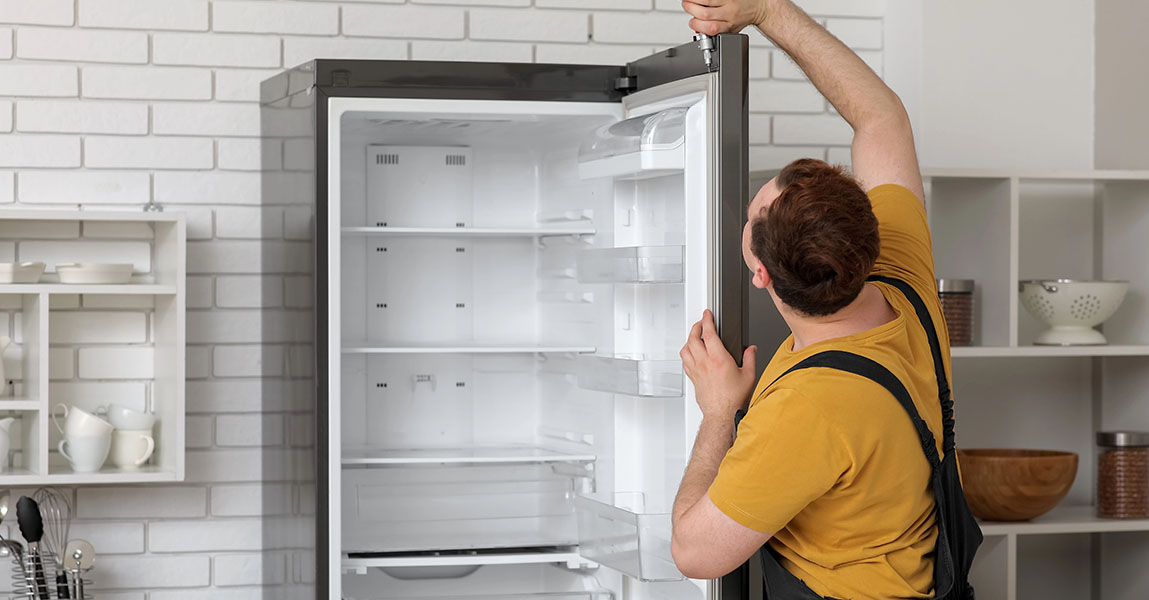
| Refrigerator | 10 to 15 years | Under ~8 years with a part fault |
| Dishwasher | 9 to 12 years | Under ~6 years, common component |
| Dryer | 10 to 13 years | Most ages, faults are usually minor |
| Washer | 10 to 13 years | Under ~8 years, single-part fault |
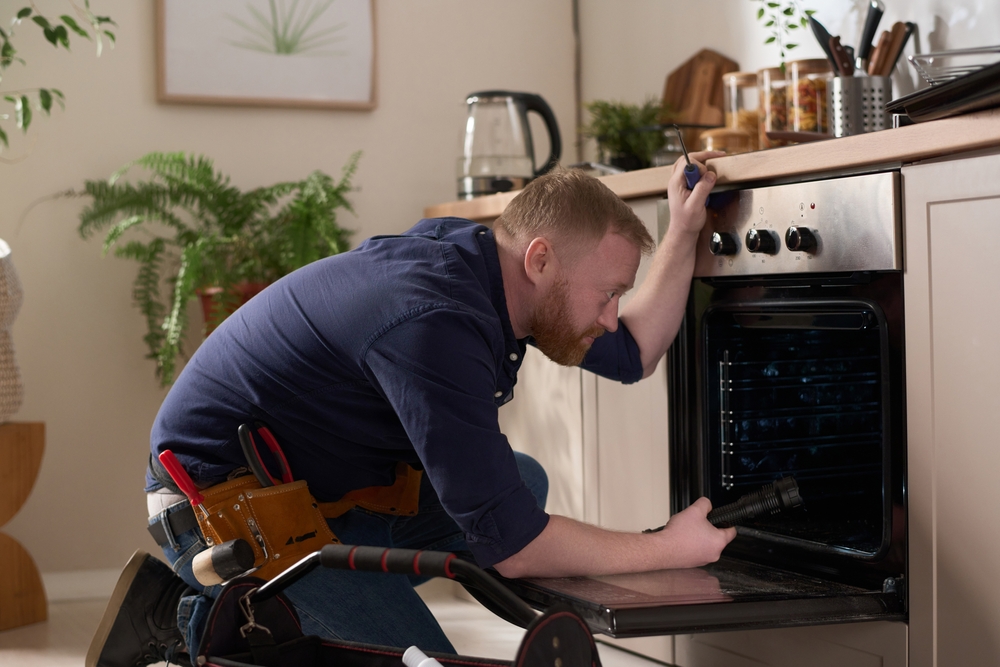
| Oven / range | 13 to 15 years | Most ages, elements and controls |
As a rough rule of thumb, if the appliance is in the first half of its expected life, repair is usually the better value. Our refrigerator repair and dryer repair pages cover the common faults that are almost always worth fixing.
Weighing the Fault Itself
Not all faults are equal. A worn dryer belt, a failed dishwasher pump, a fridge thermostat, or a washer that will not drain are all common, well-understood repairs that restore the appliance to full function. These rarely justify replacing an otherwise good machine.
Major sealed-system failures, cracked tubs, or a cascade of simultaneous faults are different. On an older appliance, those are the signals that point toward replacement. If you do replace, guidance from the U.S. Department of Energy can help you choose an efficient model. When the fault is minor, though, a repair keeps a working appliance out of the landfill and money in your pocket. Our dishwasher repair team sees plenty of machines that had years of life left.
Let a Diagnosis Guide You
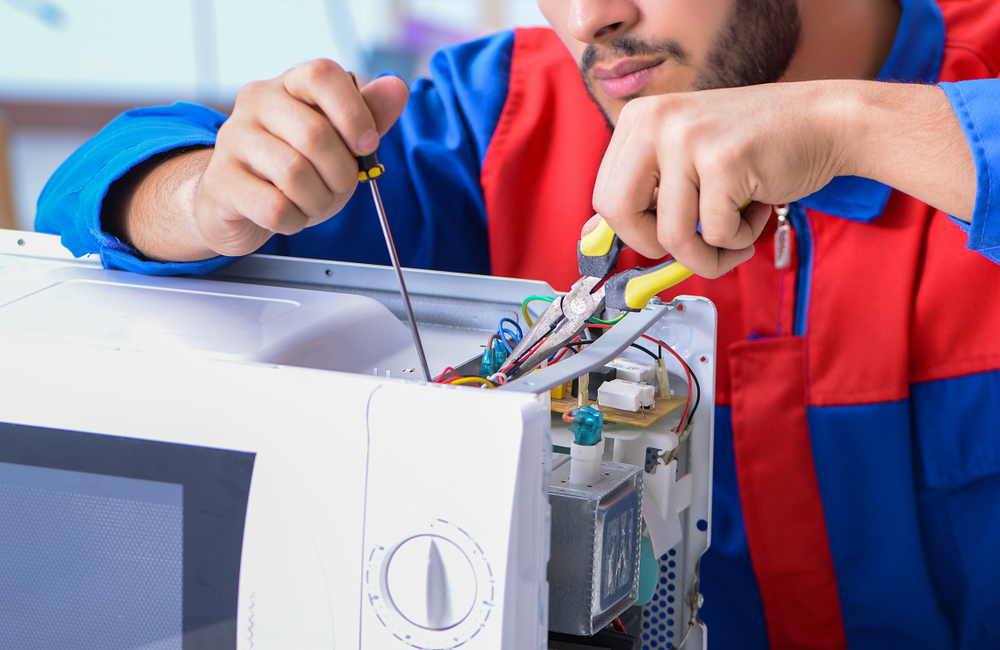
The hardest part of the repair-or-replace question is that you often cannot see the fault clearly from the outside. That is where a professional diagnosis earns its value. A technician can identify exactly what failed, explain what the repair involves, and give you an honest read on whether the appliance is worth keeping.
Quick & Pro Appliance Repair approaches every call that way, because the goal is the decision that is right for you, not the biggest job. You can book a diagnostic visit and get a clear answer before committing either way.
Frequently Asked Questions
When is it better to repair an appliance than replace it?
Repair usually wins when the appliance is in the first half of its expected life and the fault is a single, affordable part, like a newer fridge with a bad thermostat or a dryer with a worn belt.
How do I know an appliance is near the end of its life?
Compare its age to typical lifespan ranges and factor in repair history. An appliance past its expected life that has needed several repairs is signalling that replacement may be smarter.
Does an energy-efficient new appliance justify replacing a working one?
Not usually, if the current appliance runs well. Replacement makes sense when an older appliance is failing or inefficient, not on efficiency grounds alone.
Can a technician help me decide whether to repair or replace?
Yes. A technician can diagnose the fault, explain the repair, and give an honest read on whether the appliance has enough life left to be worth it.
Get an Honest Answer in Pasadena
Call Quick & Pro Appliance Repair at (818) 860-8028, 7am to 8pm, seven days a week. We diagnose first and give you a straight recommendation, so whether you repair or replace appliances, the decision is yours and well informed.