Some things in the kitchen are just plain frustrating, and frozen lettuce ranks high on that list. You open the crisper drawer expecting fresh greens, only to find ice crystals on spinach and wilted tomatoes. That drawer is supposed to keep things cool—not frozen. So why does this keep happening? The answer isn’t always what people assume. Let’s break down the most common causes, how to spot them, and what you can do to fix the problem before wasting more food.
Airflow Problems Behind the Freezing
Too much cold air reaching the crisper is often the real issue. That drawer should get limited airflow so produce stays cool without freezing. When vents from the freezer or evaporator fan direct air too forcefully into the fridge, it disturbs the balance. We often see this in side-by-side or French door units where airflow designs are more complex.
Obstructed return vents or items pushed against the back wall can redirect the airflow straight into the drawer. As a result, cold air pools where it shouldn’t. Rearranging food and checking air circulation inside the fridge can make a difference. If air cannot circulate freely, the cold pockets will freeze sensitive items.
For more serious cases, you might need fridge repair in Pasadena to inspect how air moves through the internal compartments and test temperature sensors.
Thermostat or Control Settings Are Too Low
Sometimes the answer is right on the control panel. We’ve seen people turn the temperature down a few degrees to cool drinks faster or compensate for overloading the fridge, then forget to reset it. That single change can turn the crisper drawer into a mini freezer.
Digital models often have separate settings for the crisper zone or drawer humidity, and these can be hard to interpret. On the other hand, analog knobs are easier but also easier to bump out of place. It helps to check both fridge and freezer settings regularly, especially if your produce freezes only during some weeks and not others.
Most refrigerators work best around 37°F for the main compartment. Any colder and leafy greens will get stiff. Temperature inconsistencies often point to thermostat issues, which can be fixed during appliance repair in Pasadena if a simple reset doesn’t help.
Broken or Misplaced Damper Assembly
Every fridge with a freezer needs a damper, a small door that opens or closes to control cold air entering the refrigerator section. When that damper sticks open, too much cold air flows downward, and the crisper drawer takes the brunt of it. This can freeze lettuce overnight even if your settings are fine.
Some dampers fail mechanically, while others malfunction electronically. Older fridges usually have foam or flap-style dampers, while newer ones have motor-driven versions that can be tested. If the drawer closest to the vent is always colder than the rest of the fridge, the damper might be stuck wide open.
Our team often checks this during service calls since damper issues tend to show up subtly. A cracked foam seal or weak spring can let extra cold in without tripping any alarms or codes. Catching this early helps preserve your food and avoids long-term strain on the unit.
Overfilled or Misused Crisper Drawers
Most produce drawers are designed to hold fruits and vegetables in low-airflow areas, but how you fill them matters. Packing the drawer tightly blocks airflow, especially around temperature and humidity sensors that help regulate cooling.
We’ve seen drawers packed so tight that air doesn’t circulate at all, causing uneven cooling and occasional freezing at the edges. Putting meat or leftovers in these drawers also throws off the balance. Crispers aren’t insulated or designed to store warm or heavy containers.
Organizing by category helps, The Real Cause of Fridges That Freeze Produce in the Crisperleafy greens and soft fruit on one side, root veggies on the other. Keep a little breathing room above the contents so air can move freely. For more long-term stability, don’t let frozen areas in the drawer go unchecked.
Faulty Fridge Door Gasket
The fridge door gasket is the rubber seal that keeps cold air inside and warm air out. When this seal wears out or becomes loose, the unit runs more often trying to maintain the right temperature. The freezer pushes colder air into the fridge to compensate, and unfortunately, the drawer feels it first.
One way to test the seal is with a dollar bill. If you close the fridge door on the bill and can pull it out easily, the seal isn’t tight enough. Replacing a gasket takes less than an hour, but the improvement in temperature control is noticeable right away.
It’s also important to clean the gasket regularly. Grease or dust buildup can prevent a tight seal. We’ve seen older models start freezing the drawer area just because the door isn’t closing completely every time.
Defective Temperature Sensors
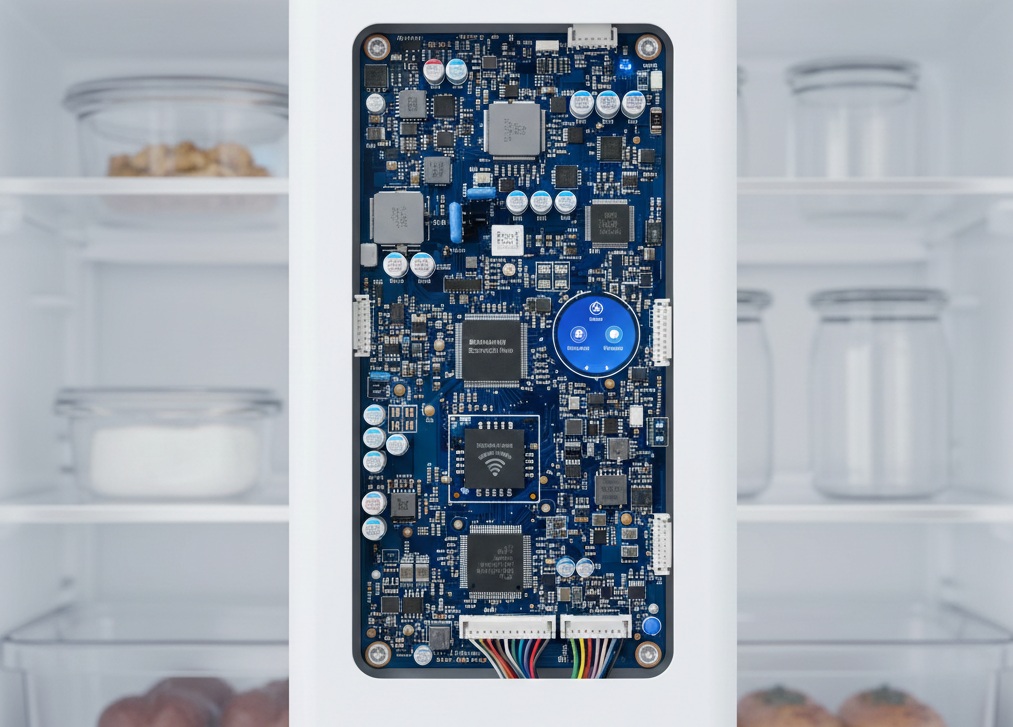
Many modern fridges use thermistors or digital sensors to monitor internal temperature and adjust cooling cycles. When these sensors fail, the system can’t respond correctly. It may run the compressor too long or misread drawer temperature.
If your fridge cools unevenly or you notice changes in produce texture without changing any settings, a faulty sensor might be the reason. These sensors are usually behind the back wall or embedded near the drawer vents. Accessing them safely usually requires a service visit.
On some models, the main board gets the wrong signal and dumps cold air as if the fridge is too warm. We’ve fixed this in several units around the area where replacing one small part brought the temperature back to normal.
If you suspect your unit is cooling inconsistently, you can request help using the contact form for Quick & Pro Appliance Repair Pasadena and we’ll inspect the sensors and other components during the visit.
Crisper Drawer Design Limitations
Not every fridge is built the same, and some models simply have design flaws that make produce drawers more vulnerable to cold air. In particular, budget-friendly units or compact styles sometimes place vents too close to the bottom drawers or lack proper dampening between zones.
There’s not much you can do to change internal duct layout, but there are small fixes that help. Placing a thin mat inside the drawer or raising produce off the cold surface with a shallow tray can reduce contact freezing. This doesn’t solve airflow issues, but it gives you more control while waiting on permanent repairs.
We also suggest checking your manual for drawer-specific recommendations. Some brands build drawers for flexibility and offer adjustments that users overlook. When you know what your model allows, you can avoid unintentional freezing in the future.
Common Mistakes That Make It Worse
People often try to solve the problem with trial and error. Unfortunately, some fixes make it worse. Blocking vents with towels or setting the fridge to a warmer temperature without testing can lead to spoiled food. Putting a bowl of water in the drawer or taping over vents often triggers new problems.
Instead, it’s better to observe patterns. Does freezing happen during certain times of day? Only when the fridge is full? Only when the freezer is heavily loaded? Answers to those questions help trace the issue. Knowing where your drawer sits in relation to vents also helps. Many people don’t realize the back of the drawer is colder than the front until they check it directly.
Small details like shelf placement, sensor location, and ambient room temperature all affect how well the drawer stays within the safe range for produce. If you’re not sure, it helps to record fridge and freezer temps over 24 hours. That gives a clearer picture of what’s really going on inside.
FAQ
Why does only one side of my crisper drawer freeze produce?
One side might be closer to a cold-air vent or blocked from airflow. That creates uneven temperatures across the drawer.
Can putting a towel in the drawer stop freezing?
It might reduce surface freezing temporarily but can trap moisture and block airflow, which leads to other issues.
Do I need to replace my fridge if the drawer freezes food?
Usually not. Most cases involve sensors, airflow, or settings that can be adjusted or repaired.
Is a frozen crisper drawer a sign of a failing compressor?
Not usually. Compressors affect overall cooling. Drawer freezing is more likely due to airflow or sensor problems.
What temperature should I set my fridge to avoid freezing produce?
Set your fridge to 37°F and freezer to 0°F. Check that the drawer stays between 34–40°F. Adjust only if needed.