Dryer lint buildup is more than an annoying pile on the screen, it is a real reason dryers slow down, overheat, and start wasting energy. At Quick & Pro Appliance Repair Pasadena, we see performance problems that start small and then grow into breakdowns because lint keeps moving to places it should never reach. Therefore, learning what lint does inside the system helps you protect drying time, fabric care, and overall safety.
Why Dryer Lint Buildup Changes How Your Dryer Works
Lint is lightweight, but it behaves like a blanket when it collects in the wrong areas. As a result, airflow drops, the heater works harder, and moisture stays trapped in the drum longer than it should. That is to say, the dryer may still run, but it cannot move warm air through your clothes fast enough to finish the cycle on time.
When airflow gets restricted, the dryer often compensates by heating longer. Consequently, you may notice hot exterior panels, a warmer laundry room, or clothes that feel overly hot but still damp in thicker spots. In other words, the machine is spending effort in the wrong place, and that effort does not translate into better drying results.
The Early Signs Most People Miss at Home
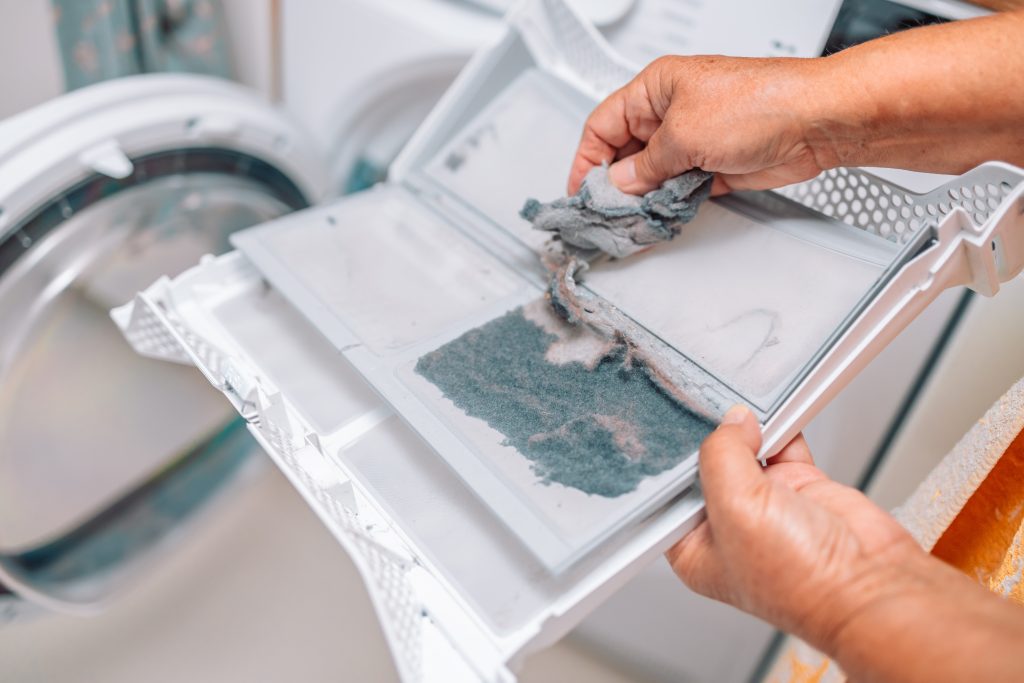
Many homes only check lint when the screen looks full. However, dryer lint buildup can be present even when the screen seems clean, especially if the mesh is coated with residue from fabric softener sheets. For example, water may bead on the screen instead of passing through it, which is a simple clue that airflow is being choked right at the start.
Another common sign is load size “creep.” Meanwhile, people start running smaller loads because large loads take too long, and it feels like a normal adjustment. Subsequently, the dryer feels “old,” but the real issue is usually blocked venting or lint packed into the blower housing. If you notice a musty smell, extra heat, or cycles that keep stretching longer, it is time to treat lint as a performance issue, not just housekeeping.
Where Lint Hides and Why Basic Cleaning Is Not Enough
The lint screen only catches a portion of what your dryer produces. Moreover, fine fibers can slip past the filter and collect along the duct, elbows, wall connection, and the exterior vent hood. Therefore, even if you clean the screen every load, airflow can still drop over time as hidden sections narrow.
Inside the appliance, lint can gather near the blower wheel, around the heating assembly, and along internal ducting. However, reaching those areas safely requires the right steps and tools, especially on models with tight cabinet layouts. If drying times are getting worse, booking a professional check through dryer repair Pasadena can help identify where airflow is being lost and which parts are being stressed.
How Lint Leads to Real Breakdowns and Higher Bills
When airflow is restricted, the heating system often cycles more aggressively. As a result, thermostats, thermal fuses, and heating elements can fail sooner than expected. That is to say, lint does not just “sit there,” it changes temperatures and forces components to work outside normal ranges.
Dryer lint buildup also affects the motor because the blower has to push against resistance. Consequently, you might hear louder operation, a low humming, or a strained sound during start up. In addition, your utility bill can rise because the dryer runs longer to accomplish the same job. If you are trying to cut energy use, improving airflow is one of the quickest wins.
A Practical Routine That Protects Airflow and Fabric Care
Start with the basics, but do them the right way. Firstly, remove lint from the screen after every load and rinse the screen with warm water occasionally to remove invisible residue. Secondly, check the outside vent flap while the dryer runs, because it should open strongly and push warm air out consistently. If the flap barely moves, airflow is likely restricted.
Further, keep the area behind the dryer clear so the vent hose does not kink when the machine shifts. Therefore, even small adjustments like leveling the dryer and using a proper vent path can reduce lint trapping points. If performance issues continue, scheduling service through Quick & Pro Appliance Repair Pasadena helps confirm whether the venting, blower, or heating system is being affected.
Lint Problems Can Affect More Than Just the Dryer
Dryer issues often show up alongside other home appliance patterns. For example, if lint and dust build up in the laundry area, they can settle into kitchen and utility spaces where cooling and ventilation also matter. Similarly, airflow and heat management are important for refrigerator efficiency, especially when coils or vents are blocked by dust.
If you notice appliance performance slipping in more than one place, it can be helpful to address each system before small problems stack up. In addition to dryer support, Quick & Pro Appliance Repair Pasadena also handles fridge repair Pasadena when cooling performance drops due to airflow restrictions or component wear.
When It’s Time to Call for Help Instead of Guessing
Some lint related issues are simple, but others signal deeper stress. However, if you have repeated long dry times, a burning smell, overheating, or the dryer shuts off mid cycle, it is smarter to stop guessing and have the unit inspected. That is to say, these symptoms can point to blocked venting, failing thermostats, or worn drum support parts that create extra friction and heat.
Likewise, if the vent path runs through a long duct or multiple turns, lint can compact faster than expected. Consequently, a professional inspection can find the real restriction point and confirm safe operating temperatures. If you want your dryer to dry faster, run cooler, and protect your clothes, dealing with dryer lint buildup early is the simplest way to prevent bigger repairs later.
FAQs
How often should I clean the dryer vent, not just the lint screen?
For most homes, a vent cleaning at least once a year is a good baseline. However, larger households or heavy towel loads may need it more often because lint builds faster and airflow drops sooner.
Why are my clothes still damp even though the dryer feels hot?
This usually means heat is present but airflow is not. Therefore, moisture cannot escape the drum efficiently, so the dryer runs longer while the load stays partially damp.
Can fabric softener sheets make lint problems worse?
Yes, they can leave a thin residue on the lint screen. As a result, the screen may look clean but airflow still drops, which slows drying and increases heat stress.
Is it normal for the laundry room to feel very warm during drying?
Some warmth is normal, but excessive heat can suggest restricted venting. In other words, hot air may be leaking into the room instead of moving outside smoothly.
What should I do if I smell something burning while the dryer is running?
Turn the dryer off and avoid using it until it is checked. Consequently, a burning smell can be caused by lint near heat sources or overheating parts, and it is safer to have it inspected professionally.