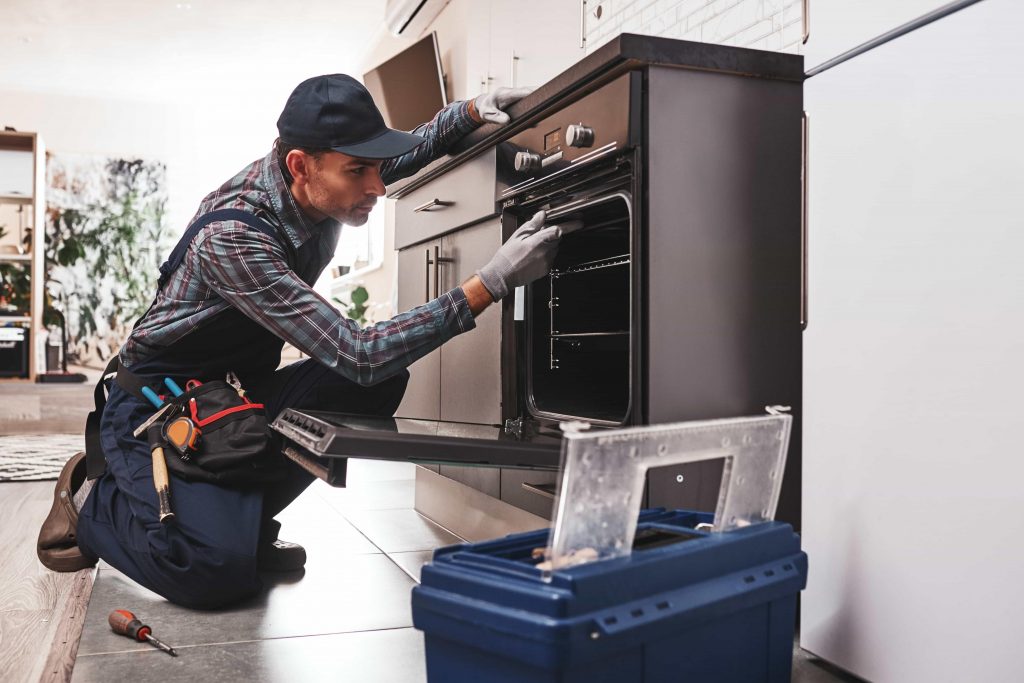
If your cakes are coming out undercooked, your cookies are burning on the bottom, or your roasts are taking far longer than the recipe says, oven temperature problems are likely the culprit. Quick & Pro Appliance Repair Pasadena helps homeowners in the Pasadena area diagnose and fix exactly these kinds of issues every day. A sudden shift in baking results almost always points to a technical problem inside your appliance — not a flaw in your recipe.
Why Your Oven Temperature May Be Lying to You
Your oven’s thermostat controls the internal temperature. Over time, thermostats drift out of calibration. The oven may read 350°F on the display while the actual interior temperature sits at 310°F or 380°F. That gap of 40 to 70 degrees completely changes how food bakes. Cakes sink in the middle. Bread comes out dense. Cookies spread too thin or burn before the centers set.
The fix sounds simple — just recalibrate. But calibration only works when the underlying components are functioning correctly. If the thermostat sensor is damaged or the igniter is weak, no calibration adjustment will hold for long. A certified technician can test each component individually and replace only what needs replacing.
The Igniter Problem Most People Miss
Gas ovens rely on an igniter to open the gas valve and start combustion. A weak igniter causes the oven to take much longer to reach temperature. The display may show the oven is preheated, but the actual temperature inside is still climbing. You put your dish in too early, and baking times go completely off schedule.
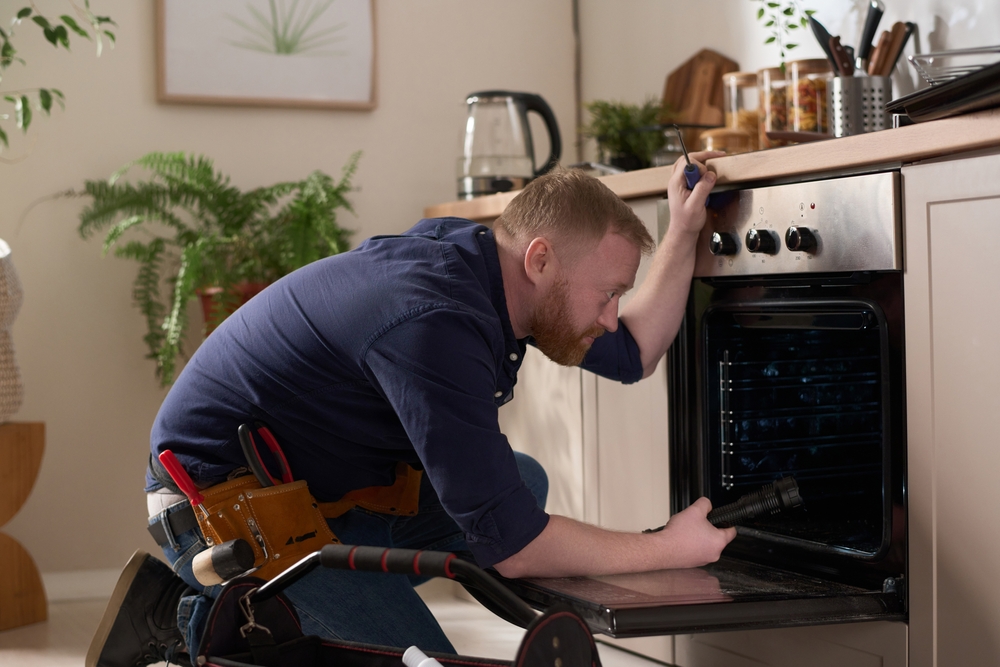
Many homeowners assume the oven is working fine because it still turns on. The igniter does not fail all at once. It weakens gradually. One week your bread takes five extra minutes. A month later it takes fifteen. Replacing a failing igniter restores accurate preheat times and consistent baking results. You can learn more about this type of repair by visiting our oven repair Pasadena page.
How a Faulty Bake Element Causes Uneven Results
Electric ovens use a bake element at the bottom of the oven cavity. When this element develops a weak spot or partial break, it produces uneven heat distribution. One side of your pan gets more heat than the other. Food bakes unevenly even when you rotate the dish halfway through cooking.
A healthy bake element glows bright red across its full length. A failing one may glow dimly in sections or not glow at all in certain spots. Visual inspection is a quick diagnostic step any homeowner can take. If you see dark patches or visible cracks in the element, it needs replacement before your next bake.
Door Seals and Heat Loss
Your oven door seal, also called the gasket, keeps heat inside the cavity. When the gasket hardens, tears, or pulls away from the door frame, hot air escapes continuously during cooking. The oven has to work harder to maintain temperature, and it often cannot keep up. Baking times stretch out. Energy bills creep up.
Run your hand slowly around the door frame while the oven is on. Feel for heat escaping at the edges. A tight seal should keep almost all heat inside. A worn seal is one of the most affordable repairs on an oven and one of the most impactful. Replacing the gasket often resolves inconsistent baking times without touching any other component.
When the Convection Fan Is Part of the Problem
Convection ovens use a fan to circulate hot air and reduce baking time by roughly 25%. When the convection fan fails or slows down, that benefit disappears. Worse, the oven may still display convection mode as active while the fan does nothing. You bake as if convection is working, and your results fall short every time.
A failing fan motor often produces a humming sound or intermittent noise before it stops completely. If you notice unusual sounds coming from the back wall of your oven, the fan motor may already be in decline. Address it early to avoid a full breakdown mid-recipe.
Stovetop and Cooktop Issues That Affect Cooking Consistency
Oven problems do not always stay in the oven. Burners that cycle inconsistently or fail to hold temperature affect sauces, reductions, and anything that requires controlled heat over time. If your stovetop burners are also behaving strangely, the two problems may share a root cause — such as a failing control board or a gas pressure issue. Our team handles cooktop repair Pasadena and stove repair Pasadena alongside oven diagnostics so you can address everything in a single service visit.
Refrigerator Temperature Swings Can Affect Baking Too
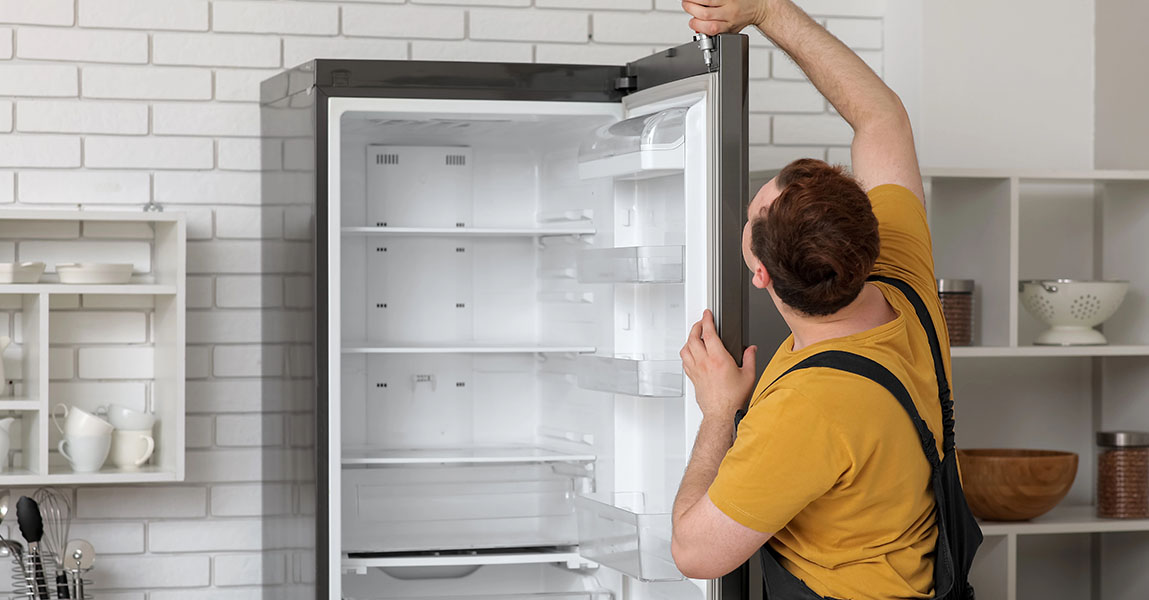
This one surprises people. If your refrigerator is not holding temperature correctly, your butter, eggs, and dairy come out of the fridge at inconsistent temperatures. Cold butter that is actually too warm changes the texture of pastry dough. Eggs that are slightly warmer than expected affect how batters emulsify. Baking is chemistry, and ingredient temperature matters. If you suspect your fridge is running warm or cycling erratically, check out our fridge repair Pasadena service page for details on what to look for.
How to Test Your Oven Temperature at Home
You do not need a technician to take the first diagnostic step. Purchase an oven-safe thermometer and place it on the center rack. Set your oven to 350°F and let it run for 20 minutes after the preheat signal. Read the thermometer without opening the door if possible. A reading within 10 to 15 degrees of the set temperature is acceptable. A reading 25 degrees or more off in either direction confirms a calibration or component problem.
Run this test three times on separate days. If the reading is consistently off in the same direction, calibration may solve it. If the readings vary widely between tests, a sensor or thermostat component likely needs replacement.
Why DIY Repairs Often Make Things Worse
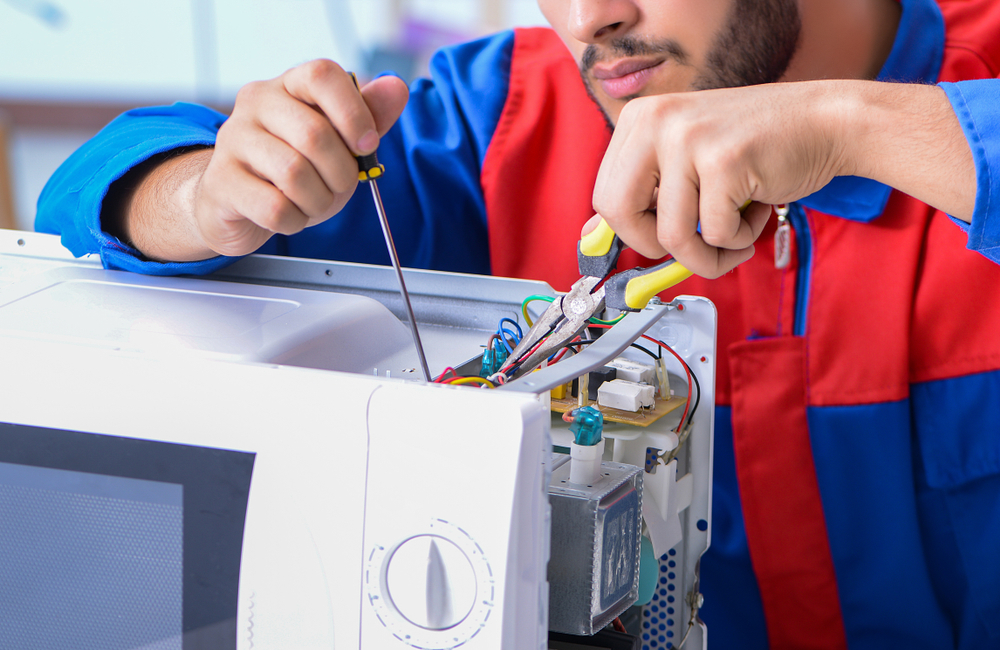
Appliance components are interconnected. Replacing a thermostat sensor without testing the control board first can result in a second repair call when the real problem surfaces. Ordering the wrong part, or installing the right part incorrectly, creates new failure points. Professional diagnosis takes 30 to 60 minutes and identifies the actual cause before any part is ordered.
Quick & Pro Appliance Repair Pasadena carries parts for most major brands and completes most repairs in a single visit. Homeowners avoid the back-and-forth of ordering parts online, waiting for delivery, and attempting installation without the right tools.
When to Call a Professional
Call a technician when your oven temperature is consistently off by more than 25 degrees, when baking times have changed noticeably over the past few weeks, when you hear unusual sounds from the fan or igniter, or when visual inspection reveals a damaged bake element or torn door gasket.
Quick & Pro Appliance Repair Pasadena offers fast scheduling and transparent pricing. Catching a failing component early prevents a minor repair from becoming a full appliance replacement. Visit pasadenarepairappliances.com to book a diagnostic appointment and get your oven performing reliably again.
Closing Thoughts
Baking times do not shift randomly. Every change in your results has a mechanical explanation. The thermostat, igniter, bake element, door seal, and convection fan each play a direct role in cooking performance. When one of those components weakens, your food pays the price. Quick & Pro Appliance Repair Pasadena gives homeowners a fast, professional path back to consistent, predictable results in the kitchen.
Frequently Asked Questions
1. How do I know if my oven thermostat is the problem? Use an oven-safe thermometer placed on the center rack. Set the oven to 350°F, wait 20 minutes after preheat, and check the reading. A difference of 25 degrees or more consistently points to a thermostat or sensor issue that a technician should evaluate.
2. Can I recalibrate my oven myself? Most modern ovens allow a small manual calibration adjustment through the settings menu. This works well for minor drift of 10 to 20 degrees. Larger discrepancies or inconsistent readings usually indicate a component failure that calibration alone cannot fix.
3. How long does an oven repair typically take? Most oven repairs are completed in a single visit of one to two hours. Common repairs include replacing the bake element, igniter, thermostat sensor, or door gasket. Technicians carrying the correct parts on arrival can often finish the job the same day.
4. Is it worth repairing an older oven or should I replace it? If the oven is under 15 years old and the repair cost is less than half the price of a comparable new unit, repair is almost always the better financial decision. An appliance technician can give you an honest assessment after diagnosing the specific problem.
5. Can a bad oven affect the taste of baked goods? Yes. Temperature inconsistency affects the Maillard reaction, caramelization, and moisture evaporation — all of which shape flavor and texture. An oven running too cool produces pale, dense results. One running too hot creates over-browned exteriors with undercooked centers. Accurate temperature directly affects taste.