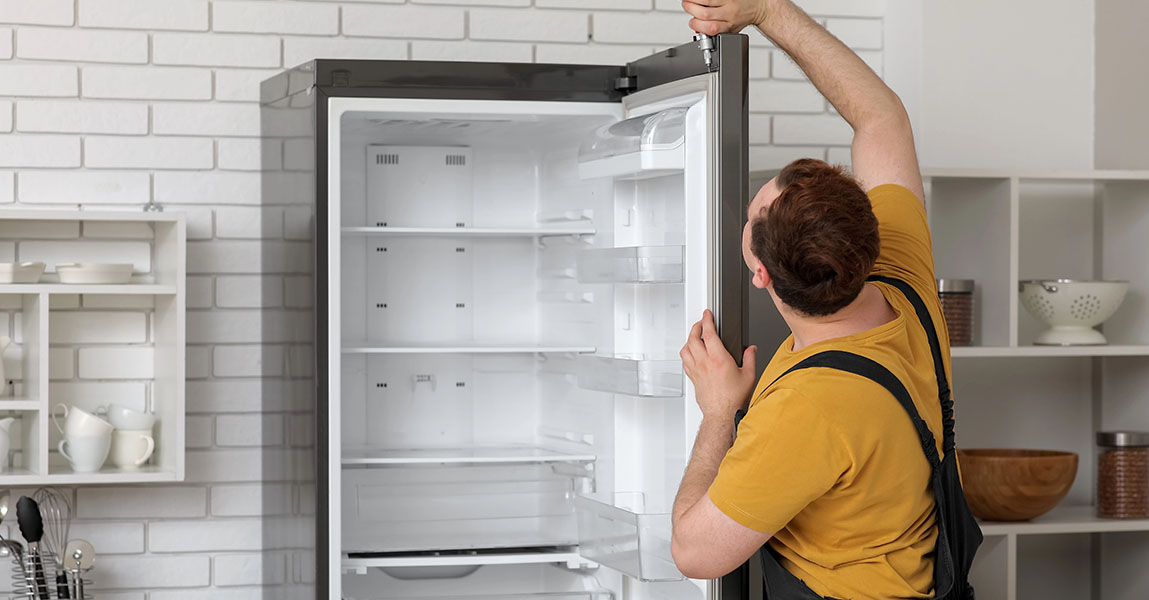
Quick & Pro Appliance Repair Pasadena has learned that a little preparation makes every appliance repair visit faster and less stressful. When the technician can reach the machine, see the symptom, and read the model label right away, the diagnosis starts within minutes. This checklist walks you through what to do before the technician arrives, what to expect during the appointment, and what to do afterward to keep the fix lasting.
Why Preparing for an Appliance Repair Visit Pays Off
Most delays during a service call come from small, avoidable problems. A washer wedged into a narrow closet, a fridge packed so full that nothing can be moved, or a missing model label can each add extra time. None of these issues are your fault, but all of them are easy to prevent.
Preparation also improves accuracy. Appliance faults are often intermittent, which means the problem may not show itself while the technician watches. If you have notes and photos, we can still trace the cause. A clear description of what happened, and when, is one of the most valuable tools in our kit.
The Two Goals of Good Preparation
Good preparation does two things. It gives the technician safe, direct access to the appliance. It also gives the technician an accurate history of the symptom, so the diagnosis starts from facts instead of guesses.
Before the Appliance Repair Visit: Your Preparation Checklist
Set aside fifteen minutes the day before. You do not need tools or technical skill, only a few simple steps.
1. Clear the area. Move rugs, baskets, and small furniture so there is at least three feet of open floor in front of the appliance.
2. Find the model and serial numbers. Photograph the rating plate, which is usually inside a door frame, lid, or cabinet.
3. Write down the symptom. Note what happens, when it started, and whether it occurs every time.
4. Record any error code. Photograph the display, because some codes disappear when the power cycles.
5. Take a short video. A ten-second clip of a strange noise or a leak is worth more than a long description.
6. Gather paperwork. Keep the manual, receipt, and warranty card handy.
Empty and Protect the Appliance Where Needed
Take food out of a freezer that has stopped cooling and move it to a working unit. Remove dishes from a dishwasher that will not drain, and pull wet laundry out of a washer that stopped mid-cycle. These small steps protect your belongings and give the technician a clear view inside.
Appliance-by-Appliance Preparation Table
Each appliance has its own quirks. Use this table to prepare the right way, and to avoid the common mistakes that complicate a repair.
| Appliance | Helpful preparation | What to avoid |
|---|---|---|
| Washer | Empty the drum and note the cycle where it stops | Forcing the door open against a lock |
| Dryer | Clean the lint screen and note drying times | Running it again after a burning smell |
| Dishwasher | Remove dishes and the bottom rack if easy | Pouring harsh chemicals into a standing pool |
| Fridge or freezer | Move food to a cooler and keep doors closed | Unplugging repeatedly to "reset" it |
| Oven or stove | Let it cool fully and clear the surface | Using a gas appliance when you smell gas |
| Cooktop | Remove pans and grates and note which burner fails | Prying out igniters or switches |
Use the table as a rough guide only. If you are unsure about a step, call us and we will talk it through.
Safety Steps That Come First
Some symptoms need action before any appointment. If you smell gas, leave the home and call your gas utility from outside. If you see smoke, sparks, or a scorched outlet, switch off the circuit breaker if it is safe to reach. Standing water around an electrical appliance is also a reason to stop and cut the power.
The U.S. Consumer Product Safety Commission offers practical guidance in its home safety education resources. It is worth a read, especially if your appliance is more than a decade old.
What You Should Not Try
Resist the urge to open panels, bypass switches, or pry at stuck parts. A wrong move can turn a small repair into a larger one. It can also create a shock or fire risk. Simple actions such as checking that the plug is secure, resetting a tripped breaker once, or cleaning a lint screen are fine.
What Happens During the Appointment
Knowing the sequence helps you feel in control. A typical appliance repair visit follows five stages.
- Greeting and history. We ask about the symptom, using your notes and photos.
- Inspection. We check the appliance, its connections, and its safety features.
- Diagnosis. We run tests to find the real cause instead of treating symptoms.
- Explanation and quote. We explain the finding in plain language. An honest quote is given after assessment, and you decide whether to go ahead.
- Repair and testing. If you approve, we complete the repair and run the appliance to confirm it works.
You are welcome to ask questions at any stage. A good technician explains what failed, why it failed, and what you can do to prevent a repeat.
Same-Day Appointments
Many urgent faults, such as a warm fridge, justify a fast response. Our article on how same-day service helps Pasadena homeowners explains when speed matters most. If your issue is urgent, say so when you call.
After the Appliance Repair Visit: Keep the Fix Lasting
The visit does not end when the technician leaves. A few follow-up habits protect the repair and help you catch any return of the problem early.
Run the appliance through a normal cycle in the first day or two and watch for the original symptom. Keep the paperwork from the visit in your appliance folder, together with the model number. Note the date, because it gives you a baseline if something similar happens later.
Ask the technician about simple maintenance for that machine. Dryers need regular vent cleaning, dishwashers need clean filters, and fridges need clear coils and door seals. Ten minutes of upkeep every few months prevents many future calls, and our maintenance and troubleshooting articles cover each appliance.
Frequently Asked Questions
Do I need to be home for the whole appointment?
An adult should be present at the start to point out the problem and approve the work. After that, you can stay nearby or return when called. Please tell us about any pets or access limits when you book.
Should I run the appliance before the technician arrives?
Only if it is safe. If the machine is leaking, smoking, or smelling of gas, leave it off. If the symptom is mild, one normal cycle can help the technician see it, but a photo or video is usually enough.
What if I cannot find the model number?
Photograph the appliance, its controls, and any badge. We can often identify the model from those clues. The technician can then confirm it on site.
Will I get a diagnosis on the first visit?
In most cases, yes. We diagnose the fault, explain the options, and give an honest quote after assessment. If a part must be ordered, we tell you the next step before leaving.
Contact Quick & Pro Appliance Repair Pasadena
Call us at (818) 860-8028 to book, or tell us about the fault on our contact page. We are open daily from 7:00 am to 8:00 pm, seven days a week, and we serve Pasadena, CA and nearby areas.