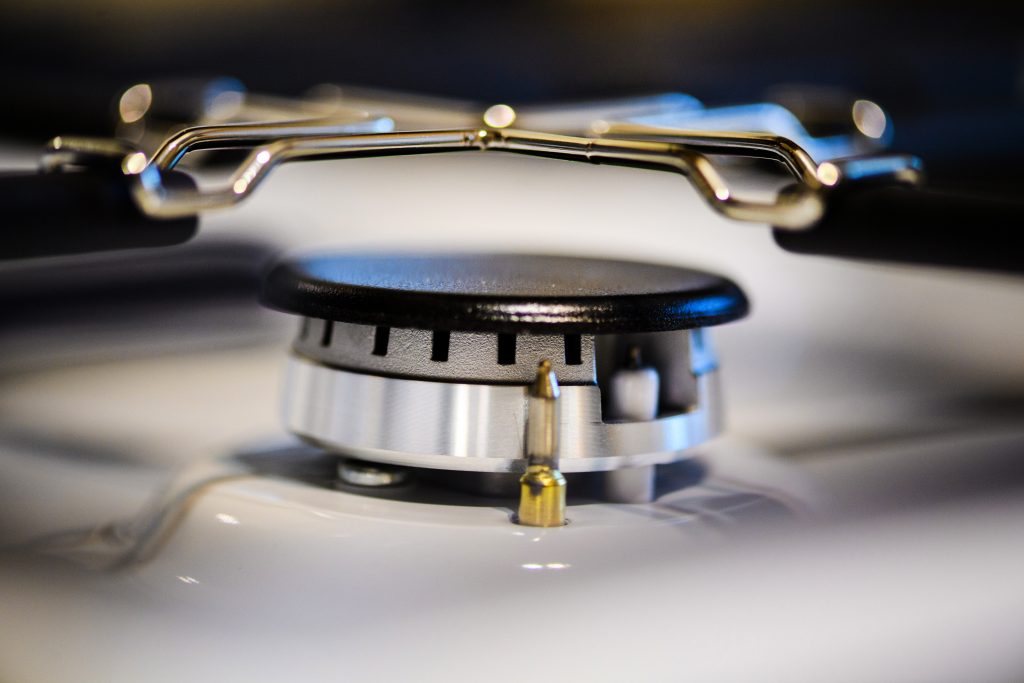
When weak stove heat shows up, cooking turns into guesswork and dinner takes twice as long. Therefore, it helps to treat the problem like a clear symptom, not a mystery. Quick & Pro Appliance Repair Pasadena sees this issue often in Pasadena kitchens, especially when a burner “looks on” but cannot deliver steady power. In other words, flame or glow does not always equal real heat. The good news is that a few checks can point you toward the likely cause before you waste food, time, or energy.
Weak Stove Heat Starts With Simple Clues
A weak burner usually leaves a pattern. For example, water takes forever to boil, a pan warms only in the center, or food browns unevenly even after extra minutes. Meanwhile, you may notice the burner cycling too fast, clicking repeatedly, or never reaching that strong sear you expect. Above all, pay attention to whether the issue affects one burner or every burner, because that difference changes the diagnosis.
If the problem is only on one spot, the cause is often local to that burner. However, if every burner feels weak at the same time, the issue can be power supply, gas pressure, or a control problem shared across the appliance. To clarify, a single bad component can limit heat on one element, while a supply issue can make the whole cooktop feel tired.
What “High” Should Feel Like in Real Cooking
High heat should quickly respond when you turn the knob. Consequently, a strong gas burner should sound steady and look evenly blue, and an electric element should glow broadly and stay consistent. If you always need to move the pan around to find heat, that is to say the burner is not transferring energy correctly. Similarly, if your stove heats up slowly and then drops off, the control system may be cutting power too early.
Common Causes When High Heat Still Feels Weak
1) Dirty ports, caps, or burner heads on gas stoves
Grease, boil overs, and tiny crumbs can block burner ports. Therefore, gas may not flow evenly, which causes weak or patchy flames. In addition, a misseated cap can prevent proper ignition and heat shape, even when the flame appears “on.” A careful cleaning and correct reassembly can restore normal performance, but forcing parts can crack ceramics or warp caps.
2) Weak igniter or incorrect flame pattern
Some gas systems rely on a strong igniter and stable ignition pathway. However, an igniter that is worn can lead to delayed lighting, uneven flames, or cycling that never stabilizes. As a result, the burner may never reach full output.
3) Electric element, switch, or control board problems
On electric stoves, a failing element can glow but still produce less heat than expected. Moreover, an infinite switch or electronic control can limit current, which makes “high” behave like “medium.” If heat comes and goes, that is to say the control may be cutting power due to a sensor reading or an internal fault.
4) Cookware that wastes heat
Sometimes the stove is fine, but cookware is the culprit. For instance, warped pans do not sit flat, so heat transfer drops fast. Similarly, thin or damaged cookware can create hot spots and cool zones, making the whole experience feel weak. Above all, test with one known good pan before assuming the appliance is failing.
5) Ventilation and airflow mistakes
A powerful hood on maximum can affect gas flame behavior in some setups. Consequently, strong drafts can pull heat away from the pan and disturb flame stability. This does not mean you should stop using ventilation, but it helps to balance airflow and confirm the flame remains steady.
Safe Checks You Can Do Before Booking Service
Start with the basics and keep safety first. Firstly, confirm the burner is seated correctly and that the cap is aligned. Secondly, clean removable burner parts with warm soapy water, dry fully, and reinstall carefully. If you have an electric coil, check whether it sits tightly in the socket, because a loose connection can reduce output. However, avoid opening panels, testing live voltage, or adjusting gas components.
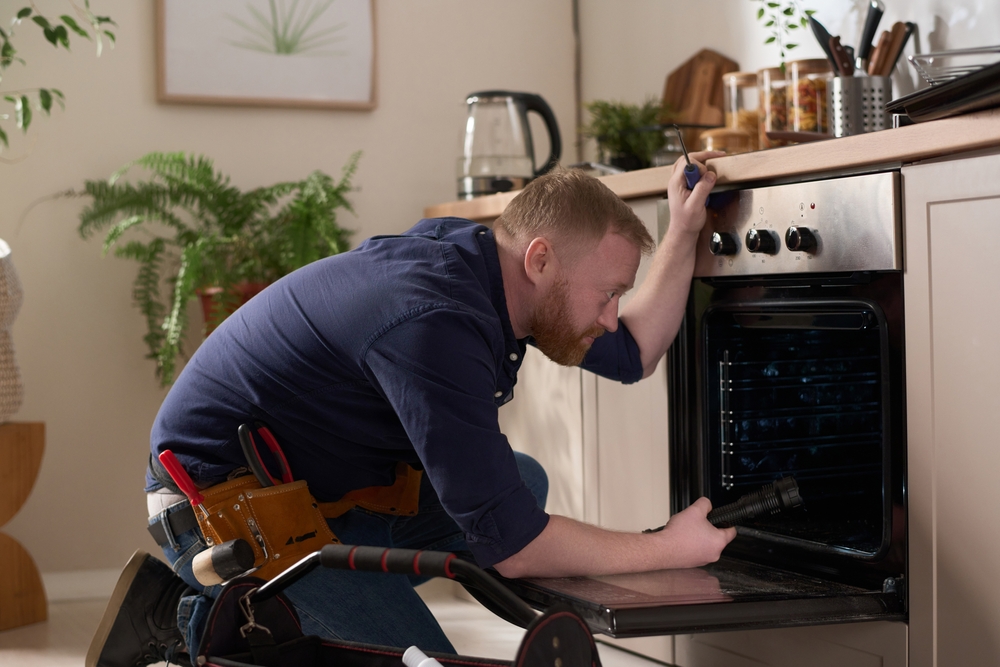
If you want quick help for an ongoing kitchen issue, stove repair Pasadena can address weak heat, uneven cooking, and controls that do not match the knob setting. In addition, if multiple appliances are acting up, starting with appliance repair Pasadena can simplify scheduling and troubleshooting.
When Weak Heat Points to a Bigger Appliance Problem
A stove issue can sometimes connect with broader electrical or kitchen load problems. For example, a tripped breaker that resets, a loose outlet connection, or an overloaded circuit can create inconsistent heating. Likewise, if you notice other appliances struggling, it may be time to check the overall setup.
Quick & Pro Appliance Repair Pasadena can isolate whether the problem is inside the stove or coming from the supply side, so you do not replace parts blindly. Most importantly, accurate diagnosis protects your budget and prevents repeat failures.
Avoiding Repeat Problems After the Fix
Once weak stove heat is solved, simple habits help keep it that way. Therefore, wipe spills quickly, keep burner ports clear, and use cookware that matches burner size. In addition, avoid dragging pans across glass tops, because scratches can trap grime and reduce contact over time.
If you also notice slow drying times or heat issues elsewhere in the home, dryer repair Pasadena may help prevent energy waste and long cycles. Similarly, if cleaning results are dropping in the kitchen, dishwasher repair Pasadena can address poor wash performance that often follows heating or sensor trouble. And if your cooking timeline is being affected by food storage problems, fridge repair Pasadena can keep temperatures stable and reduce spoilage.
FAQs
Why does my stove look on but still feel weak?
A burner can ignite or glow while still delivering reduced heat. Therefore, blocked gas ports, a failing control, or a weak electric connection can limit real output even when it appears normal.
Is weak stove heat dangerous?
It can be, depending on the cause. However, the bigger risk is hidden issues like poor combustion, faulty wiring, or overheating parts, so a proper inspection is the safest choice if basic cleaning does not help.
Why is only one burner weak?
A single weak burner often points to a local issue. For example, a clogged burner head, worn igniter, failing element, or damaged switch can affect just one cooking zone.
Can cookware really make heat feel weaker?
Yes, cookware matters a lot. Consequently, warped or thin pans reduce heat transfer, so boiling and browning take longer even when the stove is working correctly.
When should I call Quick & Pro Appliance Repair Pasadena?
If weak stove heat persists after cleaning and reseating parts, or if multiple burners are affected, scheduling service is the smart next step. Above all, diagnosis prevents unnecessary part swaps and restores consistent cooking fast.